
Your aircraft generate a massive amount of data with every flight, but is that information actually working for you? For many regional airlines, valuable insights get lost in disconnected systems or overly complex reports. This is where the shift to maintenance 2.0 comes in. It’s a fundamental change driven by the power of aviation maintenance digitalization. This new wave of airlines tech is shaping the future of aviation maintenance, turning raw data from a simple record into your most valuable strategic asset for managing fleet health and performance.
For years, many of us relied on spreadsheets and paper logs to keep maintenance on track. While they got the job done, these manual methods often create information silos as fleets expand and operations get more complex, making it tough to see the big picture. This is where smart systems change the game. Shifting from scattered files to an integrated aviation maintenance software is more than a digital upgrade—it’s about establishing a single source of truth for your entire operation. When you consolidate everything from maintenance schedules to component history onto one platform, your teams can work more efficiently, minimize errors, and get a clear, real-time view of fleet health. This move creates the foundation for more proactive and predictive maintenance.
When task lists are in one spreadsheet and defect reports are in another, critical details inevitably fall through the cracks. This disconnect often leads to delays, miscommunication between shifts, and a stressful scramble when it's time for an audit. Centralized tracking solves this by giving every team member a unified view of all maintenance activities. With a modern aircraft maintenance management platform, every task—from scheduled A-checks to pilot-reported defects—is logged, prioritized, and tracked in a single location. Technicians know exactly what to work on, managers can monitor progress without chasing down updates, and every action is automatically recorded. This creates a seamless workflow and a solid digital paper trail, ensuring nothing gets missed and your fleet stays compliant.
Predictive maintenance uses advanced sensors and data analysis to predict failures and schedule maintenance before they occur. This not only prevents unexpected aircraft downtime but also optimizes maintenance schedules, reducing downtime and associated costs.
Augmented reality is being integrated into maintenance tasks to improve the efficiency and accuracy of technical personnel. By providing real-time contextual information about aircraft systems, AR facilitates problem identification and resolution, reducing the time required to complete maintenance tasks and minimizing human errors.
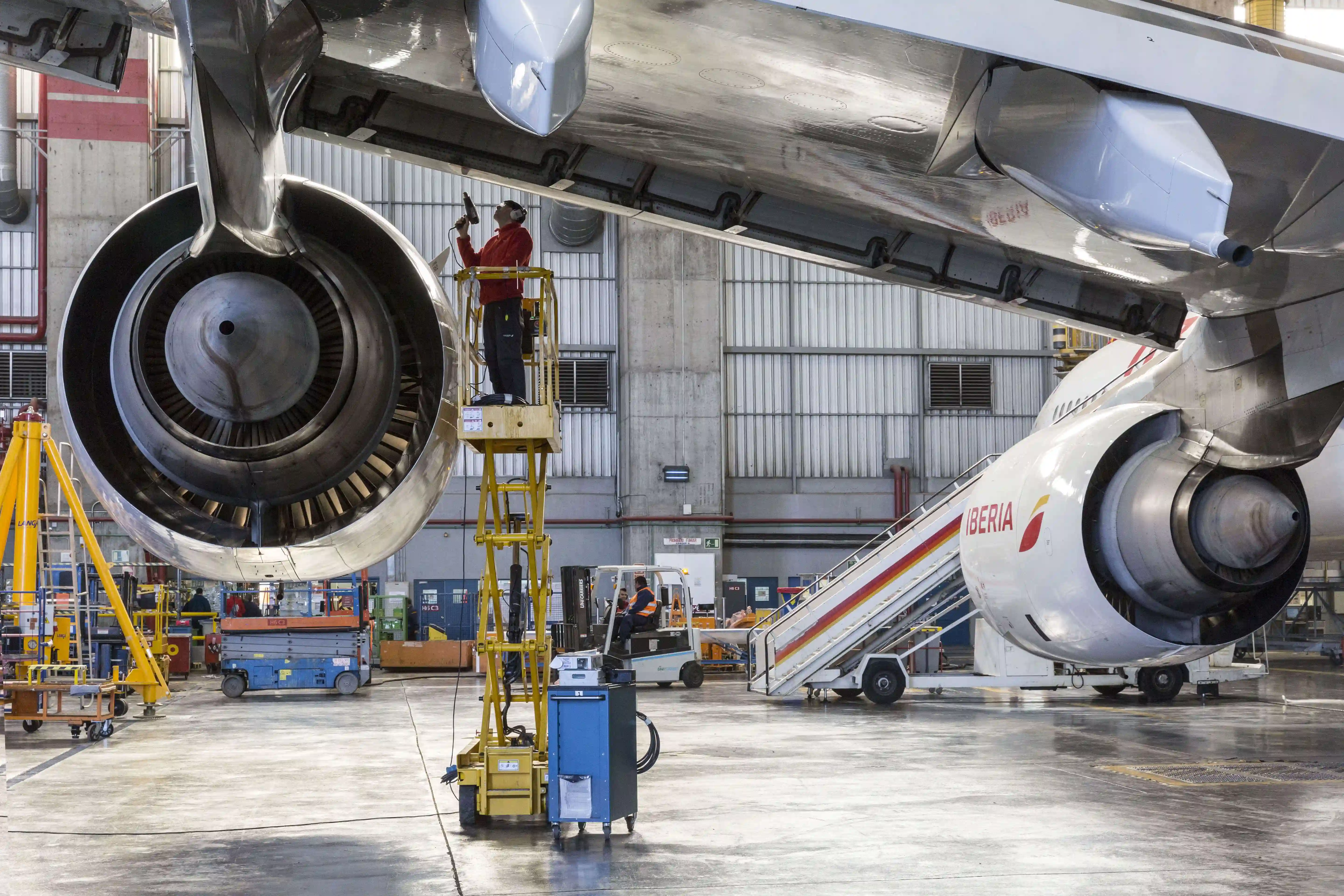
The Internet of Things connects aircraft components for real-time monitoring, enabling proactive maintenance. By constantly collecting data on performance and system status, IoT helps identify anomalies and wear before they become serious problems, ensuring aircraft safety and reliability.
Not all maintenance tasks are created equal. To manage resources effectively and ensure safety, the aviation industry categorizes maintenance into five distinct levels. This framework helps clarify who does what, what tools they need, and how complex the job is. Think of it as a roadmap for keeping your fleet in top condition, from simple daily checks to complete overhauls. Structuring work this way prevents assigning a highly specialized engineer to a simple task while ensuring complex issues get the expert attention they require. A robust aircraft maintenance management system is the key to organizing, tracking, and documenting work across all five of these levels, ensuring nothing falls through the cracks.
Level 1 maintenance covers the simple, routine tasks that can be performed by operators or flight crew with minimal training. These are your frontline checks, like visually inspecting tires, checking fluid levels, or replacing an interior light bulb. The goal here is to catch obvious issues quickly using simple instructions or checklists. These actions don't require specialized tools or deep technical knowledge, but they are a critical first line of defense in maintaining aircraft safety and readiness. Documenting these small but vital tasks is essential for compliance, and using a tool like the SOMA Production App allows crew to log them instantly, creating a complete and accessible record without any operational delays.
Moving up a step, Level 2 involves basic preventive maintenance performed by qualified ground crew or technicians. These tasks are still relatively straightforward but require some specific training and basic tools. Examples include scheduled lubrication, changing filters, or replacing easily accessible components as part of a routine maintenance plan. Technicians typically follow detailed, step-by-step guides to complete this work. This level is all about proactive care to prevent bigger problems down the line. A centralized platform helps by automatically generating work orders for these scheduled tasks, ensuring that every preventive action is performed on time and recorded accurately for compliance.
Level 3 is where true troubleshooting begins. These tasks involve diagnosing and correcting known issues that are beyond the scope of simple adjustments. This work requires certified technicians with a solid understanding of aircraft systems. Examples include replacing a faulty fuel pump, repairing a navigation system, or troubleshooting a hydraulic leak. This level often demands specialized diagnostic equipment and access to detailed technical manuals. An integrated system streamlines this process by providing technicians with immediate access to the aircraft’s maintenance history and relevant documents through a centralized aircraft document management portal, helping them diagnose and resolve the issue more efficiently.
At Level 4, we enter the realm of highly complex diagnostics and repairs that demand a team of specialized, highly experienced technicians. These are not your everyday fixes. This level includes tasks like in-depth vibration analysis on an engine, performing significant structural repairs, or resolving intermittent and hard-to-diagnose electronic faults. This work often requires collaboration between multiple experts and advanced analytical tools. A comprehensive management platform supports this by centralizing all performance data, allowing managers to oversee the project, coordinate the team, and ensure every step is documented, which is where a tool like the ControlHUB App becomes invaluable for maintaining oversight.
Level 5 represents the most intensive maintenance possible, typically performed by the Original Equipment Manufacturer (OEM) or a certified third-party MRO facility. This includes complete engine overhauls, rebuilding landing gear, or restoring major components to a like-new condition. These tasks are performed off-site in a specialized workshop using the same tooling and processes as the original manufacturing. Even though the work is outsourced, it’s crucial to track it properly. Your maintenance software should help manage the logistics of sending out and receiving components, monitor their status, and seamlessly integrate all external repair records back into the aircraft’s permanent history for a complete, unbroken chain of compliance.
These technologies offer a range of significant benefits for regional airlines. In addition to improving the safety and reliability of operations, predictive maintenance, augmented reality, and IoT allow airlines to optimize resources, reduce operating costs, and maximize fleet availability. This translates into increased operational efficiency and a better passenger experience, strengthening airlines' competitiveness in the market.
Despite the obvious benefits, some critics argue that reliance on technology can lead to the loss of essential manual skills and increase vulnerability to cyberattacks. However, with proper implementation and robust security measures, these risks can be mitigated, and the benefits of advanced maintenance technologies far outweigh any potential drawbacks.
The adoption of these advanced maintenance technologies is transforming the aviation industry. According to the International Air Transport Association (IATA), airlines that implement them can experience significant reductions in operating costs and improvements in efficiency, allowing them to remain competitive in an increasingly demanding and dynamic market.
Technological trends in aircraft maintenance are redefining fleet management for regional airlines, providing a solid foundation for sustainable growth and efficient operation in the future.
What exactly is "Maintenance 2.0"? Think of it as the shift from traditional, reactive maintenance to a smarter, more connected approach. Instead of just fixing problems as they happen, Maintenance 2.0 uses digital tools to centralize information, track tasks in real time, and even predict potential issues before they ground an aircraft. It’s about turning your maintenance data into a strategic tool for better fleet management.
My team is used to spreadsheets. Why is an integrated system better? While spreadsheets are familiar, they often create information silos where critical data gets lost or becomes outdated. An integrated system acts as a single source of truth for your entire operation. This means your maintenance, inventory, and operations teams are all working with the same real-time information, which reduces errors, prevents miscommunication, and makes it much easier to prove compliance during an audit.
What are the five levels of maintenance, and why do they matter? The five levels are a way to categorize maintenance tasks by complexity, from simple operator checks (Level 1) to complete overhauls by the manufacturer (Level 5). This structure helps you assign the right people to the right jobs, ensuring that a simple task doesn't tie up a specialized engineer and that complex issues get the expert attention they need. A good software platform helps you manage and document work across all five levels seamlessly.
Is predictive maintenance only for major airlines with huge budgets? Not at all. While the technology sounds complex, the core idea is accessible to regional airlines too. It starts with effectively collecting and analyzing the data your fleet already generates. Modern maintenance software makes this possible by identifying trends and flagging anomalies from routine operations. This allows you to proactively address wear and tear, preventing costly, unexpected downtime without needing a massive initial investment.
How does a digital system help with outsourced repairs, like a Level 5 overhaul? Even when a major component is sent to an OEM or MRO facility for an overhaul, it's still your responsibility to track it. A comprehensive maintenance platform helps manage the entire process. You can log when a part was sent out, monitor its status, and then seamlessly integrate the external repair records and certifications back into the aircraft’s permanent history once the work is complete, ensuring you have a complete and unbroken compliance record.