Aircraft downtime is more than just an operational headache; it's a direct hit to your bottom line. For many operators, the root cause isn't a lack of skilled technicians but a reliance on outdated tools. When your maintenance, inventory, and flight operations teams work from separate spreadsheets or siloed systems, you create blind spots. This leads to last-minute parts orders, missed compliance deadlines, and costly, reactive repairs. The right aircraft fleet management software closes these gaps. It provides a single source of truth, connecting every department and turning scattered data into clear, actionable insights for a more predictable and profitable operation.
In today’s competitive aviation market, aircraft downtime isn't just an inconvenience—it’s a profit killer. Many airlines and operators still rely on outdated tools like spreadsheets or siloed systems that don’t talk to each other. The result? Missed deadlines, last-minute part orders, and reactive maintenance.
This blog explores how SOMA Software transforms aircraft fleet management by giving teams the visibility and tools they need to take control.
Based on customer insights and industry data, here are the top challenges operators report:
SOMA Software eliminates operational blind spots with a unified, cloud-based platform designed for aviation fleet managers. Here’s how:
Get a live snapshot of every aircraft's status. Whether it's upcoming inspections or component cycles, SOMA’s dashboard keeps teams in sync across maintenance, inventory, and operations.
Set automated notifications for AD deadlines, component lifespans, and scheduled maintenance. No more surprises—just proactive decisions.
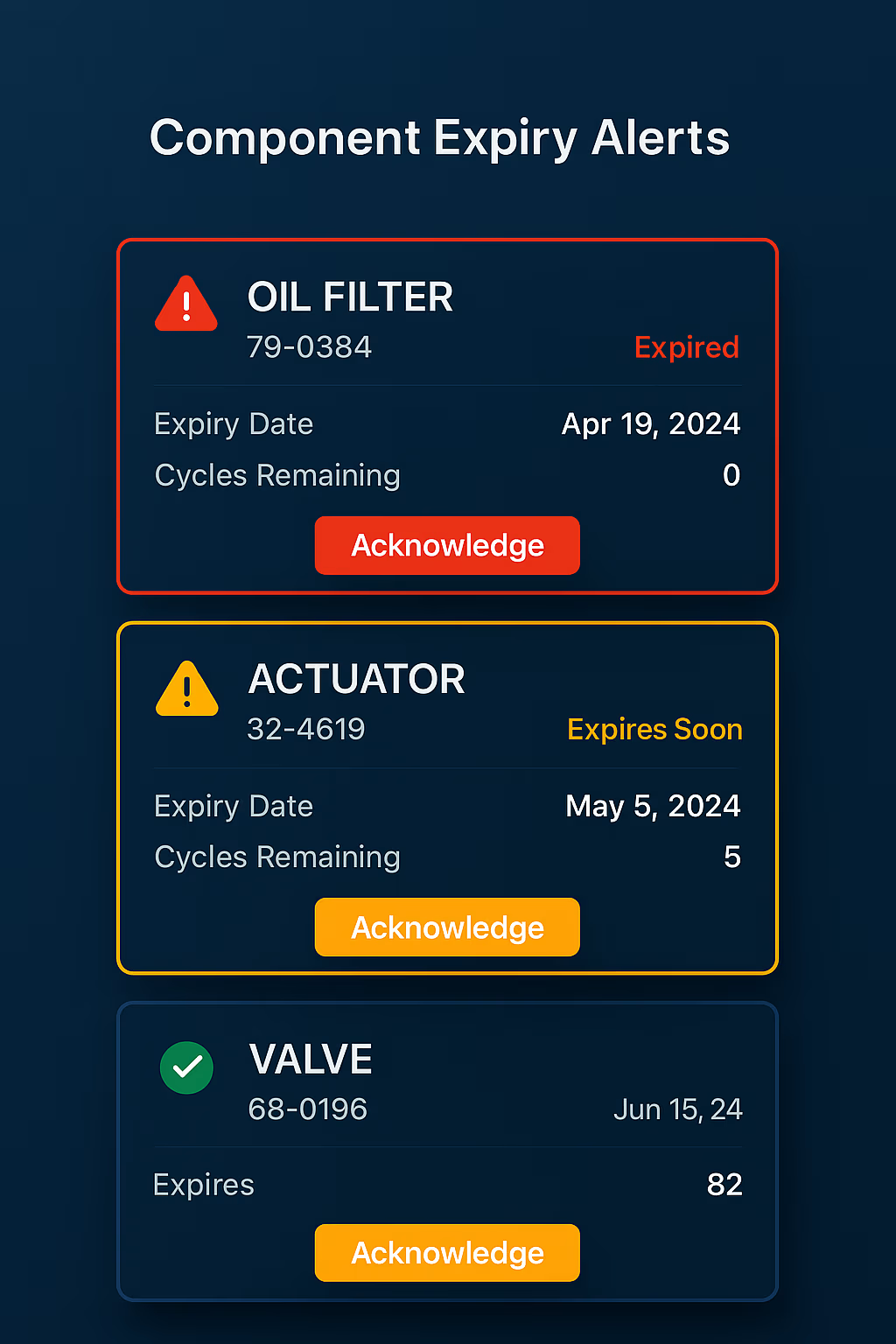
Predictive maintenance completely changes the dynamic of fleet management, moving teams from a reactive to a proactive mindset. By using historical data and advanced analytics, you can anticipate maintenance needs before they turn into critical, flight-grounding issues. This allows your team to schedule repairs on your own terms, plan for parts and labor ahead of time, and drastically reduce unexpected downtime. It’s about transforming aircraft maintenance management from a source of stress into a strategic advantage.
This forward-thinking approach also has a major impact on your bottom line. When software processes and analyzes data in real-time, operators can identify and prevent potential problems before they escalate into costly emergency repairs. By catching issues early, you avoid the high price of AOG situations, reduce unnecessary spending on last-minute parts, and improve the overall reliability of your fleet. This keeps your aircraft in the air and generating revenue, rather than sitting in the hangar.
Ultimately, incorporating predictive analysis into your fleet management strategy is no longer a luxury—it's essential for modern aviation. These tools give you the foresight needed to ensure your fleet remains compliant, safe, and operating at peak efficiency. By staying ahead of maintenance, you build a more resilient and profitable operation from the ground up.
From part request to aircraft installation, SOMA ensures end-to-end traceability. This eliminates guesswork and simplifies audits.
In aviation, compliance isn't optional. Keeping up with regulations from bodies like the FAA and EASA is critical to keeping your fleet in the air and avoiding steep penalties. SOMA simplifies this by providing a single, organized place for all your essential paperwork. Instead of digging through folders or separate systems, our platform centralizes everything from maintenance records to airworthiness directives. This makes it easy to demonstrate adherence during audits and ensures your team can always access the latest information. With a dedicated system for aircraft document management, you reduce the risk of costly oversights and keep your operations running smoothly and safely.
SOMA connects your entire operation: Maintenance → Inventory → Purchasing. No more juggling between disconnected tools.
🎯 Bonus: It’s not just about avoiding downtime—it’s about building a smarter operation.
LANHSA, a regional carrier in Honduras, faced routine delays due to scattered maintenance processes. After switching to SOMA, they gained centralized access to aircraft status, AD tracking, and inventory flow.
Testimonial from Eddy Arbizú, LANHSA:
“With SOMA, we analyze a component’s journey from request to installation. The engineering support is invaluable, and the software gives us real-time access to hours and flight logs—something no other tool does.”
When you're evaluating fleet management software, it’s easy to get lost in a long list of features. But a few core capabilities truly separate modern, effective platforms from the rest. The right software doesn’t just track data; it provides a command center for your entire operation, ensuring every department is working from the same playbook. Look for a solution that offers specialized tools, clear visibility, and robust security to keep your fleet flying safely and efficiently.
Aviation isn't a one-size-fits-all industry, and your software shouldn't be either. Top-tier platforms provide specific modules designed for core operational needs. This means having dedicated tools for aircraft maintenance management, engine health monitoring, and flight scheduling. By separating these functions into specialized modules, you get deeper functionality and workflows tailored to each team's tasks, from the hangar floor to the front office. This approach eliminates the compromises that come with generic, all-purpose software and gives your teams the precise tools they need to excel.
Your team shouldn't have to dig through irrelevant data to find what they need. A key feature of modern software is a customizable dashboard that gives every user an at-a-glance view of their most critical information. Whether it's tracking airworthiness directives, managing part configurations, or monitoring defect reports, a personalized dashboard puts the right data front and center. This immediate visibility helps your team make faster, more informed decisions and stay ahead of potential issues before they ground an aircraft, turning reactive fixes into proactive strategies.
In an industry where data integrity is paramount, strong security isn't optional. Your fleet management software must be built with robust security, authentication, and encryption to protect sensitive operational data. Furthermore, modern solutions should offer flexible deployment, such as operating on a secure cloud service. This ensures your team can access critical information from anywhere while guaranteeing that your data is protected by the latest security protocols. This combination of accessibility and protection gives you both the flexibility to manage your fleet on the go and the peace of mind that your information is safe.
The best software doesn't force you to change your processes—it adapts to them. An adaptable solution scales with your business, integrates smoothly with your existing workflows, and is backed by a team of experts who understand your unique challenges. It should feel less like a rigid tool and more like a strategic partner, one that’s flexible enough to support your operation today and grow with you tomorrow. This adaptability is what turns a good software investment into a great one.
True operational control comes from seeing the big picture. An integrated platform allows you to understand how a change in one area, like an adjusted flight schedule, impacts maintenance availability and the readiness of the entire fleet. When your purchasing and inventory systems are connected to your maintenance plans, you create a seamless flow of information that eliminates silos. This holistic view enables proactive planning and ensures all departments are aligned toward the common goal of keeping aircraft in the air, minimizing delays and maximizing revenue.
Whether you manage a large commercial fleet, a corporate flight department, or a specialized helicopter operation, your software needs to fit your specific context. A truly adaptable solution is configurable for various operational types and sizes. It should provide the same level of control and visibility to an individual owner as it does to a major airline. This flexibility ensures you’re investing in a platform that can handle the unique demands and regulatory requirements of your corner of the aviation industry, rather than trying to fit a square peg into a round hole.
Powerful software is only half the equation; expert support is the other. Look for a provider with a proven track record and strong customer testimonials. When you have a question or need guidance, you want to connect with an analyst who understands aviation, not just software. As LANHSA Airlines noted in their experience, having access to invaluable engineering support makes all the difference. Industry validation and praise from fellow operators are clear signs that a provider is committed to their customers' success and understands the high stakes of your business.
Implementing SOMA takes weeks, not months—thanks to aviation-trained onboarding specialists. Plus, there are no user limits, meaning your entire team can access the platform without extra fees.
📱 Future-proof: SOMA offers mobile access, so even field engineers stay connected.
See how SOMA can cut downtime and boost efficiency with real-time visibility and smart alerts.
We're currently using spreadsheets to manage our fleet. What's the real advantage of switching to a system like SOMA? Spreadsheets often create information silos where maintenance, inventory, and operations can't see what the other is doing. The biggest advantage of switching is creating a single source of truth for your entire team. Instead of manually updating separate files and hoping for the best, SOMA connects every department in real-time. This prevents the communication gaps that lead to last-minute parts orders, scheduling conflicts, and costly human error.
Our fleet has very specific needs. Can SOMA be customized for different types of aviation operations? Absolutely. SOMA is designed to be adaptable, not a rigid, one-size-fits-all solution. Whether you run a regional airline, a corporate flight department, or a specialized helicopter service, the platform can be configured to fit your unique operational workflows and regulatory requirements. The goal is for the software to support your processes, not force you to change them.
How does SOMA help us stay ahead of compliance and prepare for audits? SOMA simplifies compliance by centralizing all your essential documents and records. Instead of searching through different folders or systems for maintenance logs or airworthiness directives, everything is organized and accessible in one place. This makes it much easier to demonstrate compliance during an audit and helps your team track important deadlines automatically, reducing the risk of oversights that could ground an aircraft.
What does the implementation process look like, and how long will it take to get our team up and running? Getting started is faster than you might think. The onboarding process is managed by specialists with direct aviation experience, so they understand your challenges and can get you set up in weeks, not months. Plus, SOMA offers unlimited user access, so you can get your entire team on the platform from day one without worrying about additional fees as you grow.
You mention predictive maintenance. How does that work in practice to prevent downtime? Predictive maintenance shifts your team from a reactive to a proactive mindset. The software analyzes historical data from your fleet to identify patterns and predict when a component might fail before it actually does. This allows you to schedule maintenance on your own terms, order parts in advance, and address potential issues during planned downtime instead of being surprised by an AOG situation.