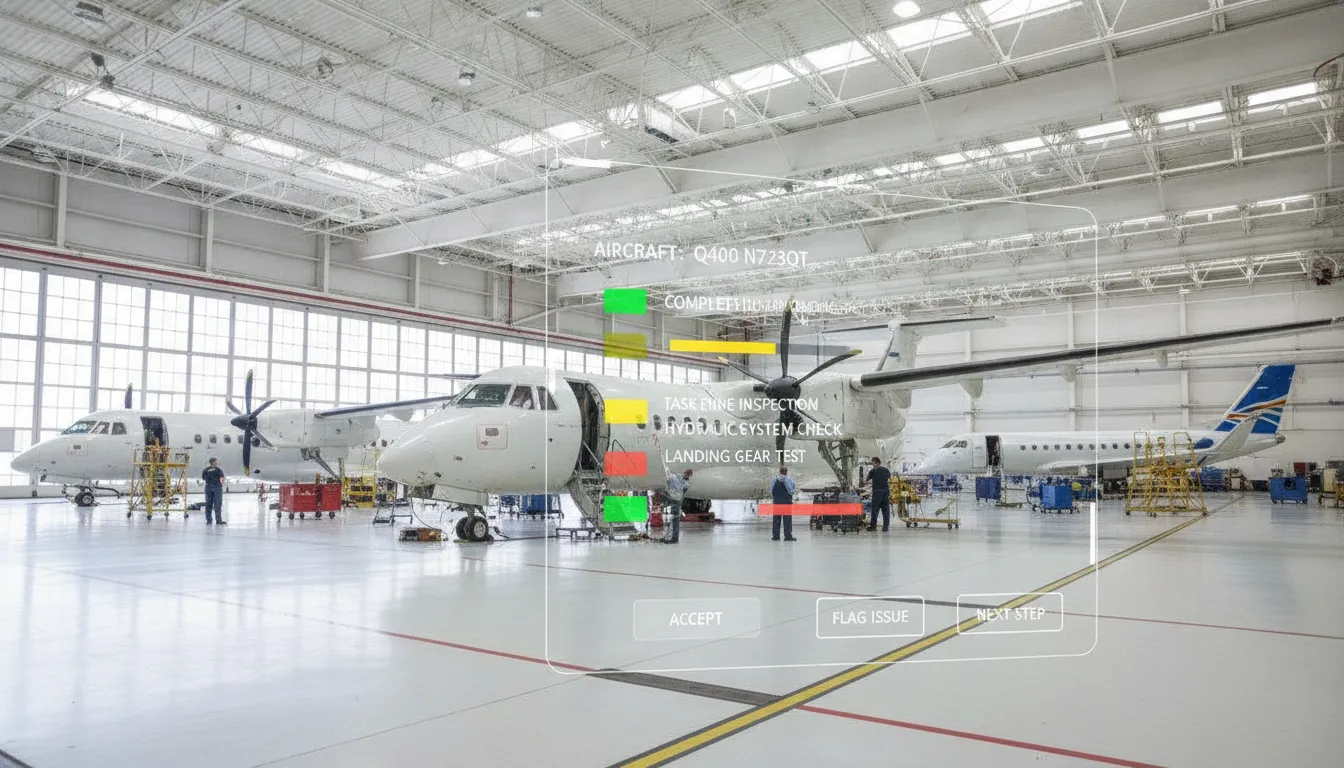
Aircraft maintenance software for small airlines provides a centralized digital platform to manage airworthiness, compliance, and flight operations. Instead of using paper logs or disconnected spreadsheets, regional operators use these tools to automate maintenance scheduling based on flight hours and cycles. This transition helps Maintenance Directors and CAMO teams maintain strict safety standards while reducing aircraft downtime and operational delays. Modern solutions offer real-time dashboards for predictive maintenance, ensuring that small fleets remain operational without the overhead of enterprise-level IT infrastructure.
Get a Free Consultation for Your Fleet
You must find a solution that fits your specific operational needs without adding any unnecessary complexity. Below, we explain why small airlines need a dedicated maintenance software solution and how the right checklist can simplify your search.
Aircraft maintenance software for small airlines replaces paper logs and disconnected spreadsheets with a single digital platform that schedules tasks, tracks parts, and ensures compliance. This shift eliminates data gaps, reduces human error, and gives small teams the same operational visibility that large carriers enjoy.
Small airline teams face high pressure to keep fleets safe and ready for flight. Many of these operators still use paper logs or basic files to track work. These manual tools often lead to errors that can ground a plane. To stay ahead, regional teams need maintenance software that fits their specific size.
Small teams often struggle with systems that do not work together. This creates gaps in data and slows down the whole shop. When data stays in separate files, it is hard to see the full health of the fleet. New systems help by putting flight logs, parts, and work orders in one spot. This change saves time and makes sure no task is missed.
Teams that use old tools may also face higher risks of memory slips. Research shows that things like fatigue and time pressure often cause human errors in aircraft maintenance. Modern software helps by setting clear paths for every job. This lowers the stress on each mechanic.
Live data helps small fleets act before a part fails. Clear dashboards show when a plane needs work based on flight hours. This way, you can plan for repairs during down times. This helps you avoid surprise delays. Using smart tools is a proven way to keep your fleet in the air. These systems reduce operational delays and make every flight safer for your crew.
Staying compliant is a big job for small airline staff. You must track every cycle and hour to meet tight rules. Good software does these tasks for you so your team can focus on the planes. It sends alerts well before a due date, so you never miss a check. This is key for teams that need to show airworthiness to the FAA without wasting hours on manual logs.
Small airlines need software that automates maintenance scheduling based on flight hours and cycles. Tracks parts inventory in real time, generates compliance reports, supports digital signatures, and provides 24/7 support. The right platform consolidates these features into one intuitive dashboard without requiring a large IT team to manage.
Choosing the right tool to manage your fleet is a major decision for any small airline. You need a system that handles complex tasks without adding extra work for your team. The best software moves you away from manual tracking and toward automated safety and efficiency.
Your software must track every flight hour, cycle, and calendar day with total precision. Reliable aircraft maintenance software uses these data points to schedule tasks before they become urgent. This prevents missed inspections and keeps your fleet in the air.
Automated scheduling based on flight hours and cycles is vital for small airline compliance. This feature ensures you follow all safety rules without checking paper logs every day. It also helps you spot trends that might lead to unexpected repairs later on.
Small airlines often operate with lean teams and tight parts budgets. Effective inventory management helps you track parts from the moment they arrive until they are installed on an aircraft. This reduces the cost of carrying extra stock and avoids grounded planes due to missing parts.
Support is another critical area to check. When an aircraft is grounded, you cannot wait until Monday morning for a fix. Many top providers now offer 24/7/365 support to help operators at any hour.
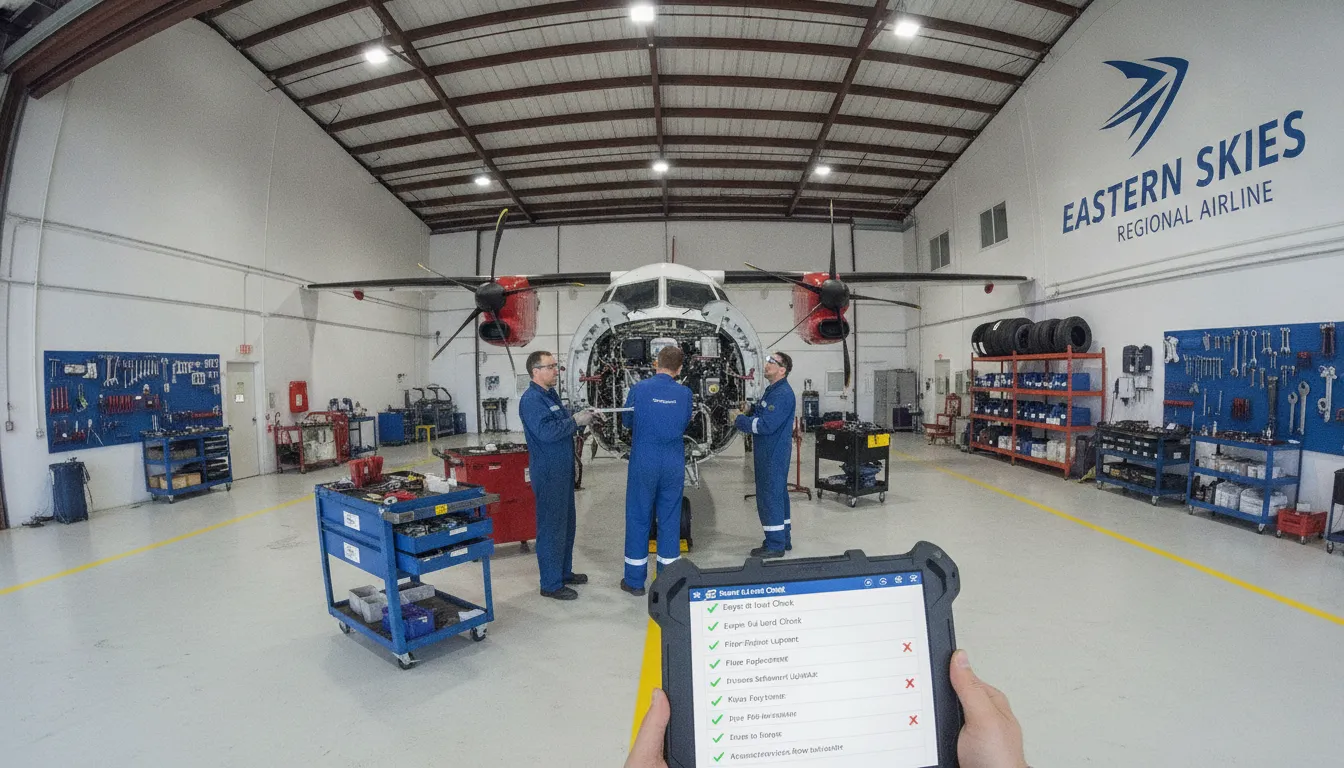
Small airlines often transition from manual methods to digital platforms. The table below shows how modern features compare to legacy processes like spreadsheets or paper logs.
| Feature | Manual Method | Digital Software |
|---|---|---|
| Task Scheduling | Manual date entry in logs | Auto-alerts for hours and cycles |
| Part Tracking | Physical inventory counts | Real-time digital part records |
| Data Access | Office-bound paper files | Mobile and cloud dashboards |
| Record Security | Single copy in a folder | Secure, redundant digital storage |
| Support Access | Standard business hours | Dedicated 24/7/365 assistance |
Small aviation teams must meet the same FAA and EASA standards as major airlines, often with fewer resources. Dedicated aircraft maintenance software for small airlines automates Airworthiness Directive tracking, schedules recurring inspections by flight hours and cycles, supports digital signatures per AC 120-78B, and keeps audit-ready records in one searchable location.
Keeping up with FAA or EASA rules needs precise records that manual systems struggle to provide. Using aircraft maintenance software helps small airlines automate these tasks to ensure they never miss a due date or a check.
Tracking Airworthiness Directives (ADs) and Service Bulletins (SBs) is a major task for small carriers. Modern tools give automated scheduling for upkeep tasks based on flight hours, cycles, or dates. This tool is vital for software for small airline compliance. This setup ensures that safety checks are planned well before they are late.
For Part 91 teams, managing these needs often involves Approved Inspection Programs (AIPs). These plans let owners make custom steps that the FAA must check and approve. Software makes this easy by keeping all plan data in one spot. This helps with fast filing and updates during yearly reviews.
Moving away from paper logs cuts the risk of lost data or missing notes. To do this safely, teams must use digital signatures that follow FAA rules like AC120-78B. These electronic signatures give a safe trail that shows who performed a task and when they signed off.
Being ready for a surprise audit is a main benefit of digital tools. Instead of looking through boxes of paper, managers can pull up full fleet files in seconds. This speed shows that the airline has full control of its safety data. By using these tools, small teams can focus on flights while the software tracks the rules.
Modern aircraft maintenance software for small airlines connects maintenance logs with accounting tools like QuickBooks, syncs flight operations via API, and provides Spanish-language support for Latin American teams. Full implementation typically takes four to eight weeks with hands-on training and guided data migration.
Many small airlines and regional operators struggle with manual or legacy systems. These old methods often fail to share data, which leads to silos and costly errors. Moving to a modern platform should not feel like a burden. Instead, the right platform acts as a bridge that links your daily tasks to one main source of truth.
One major benefit of new systems is how they link maintenance logs to your accounting tools. You can connect costs directly to tools like QuickBooks to save time. This ensures that every part used on the hangar floor is tracked in your financial records right away. Built-in tracking also helps you manage your parts stock effectively. Good stock control prevents the delays that happen when a key item is missing from the shelf.
Your maintenance team and flight crew must stay in sync to maximize fleet uptime. Connected software uses APIs to share live status updates with your flight operations management system. This link allows your team to plan around checks and avoid sudden delays. By having a clear view of your fleet, you can reduce the stress that leads to errors. Having one view for all teams ensures that everyone works from the same live data.
New tools can be hard for staff to learn, especially when they have used paper logs for years. SOMA Software focuses on easy workflows that help your ground crew and pilots shift with ease. For operators in Latin America and the Caribbean, the platform provides full Spanish-language support. This makes it easier for teams to master the software without a language gap. A true partner does more than just give you an API key. They act as an engineering-led partner to guide your staff through the digital shift. Most small fleets can complete this full setup in about four to eight weeks.

The move usually starts with a deep review of your current data. You can shift your old records from sheets or older databases into the new platform quickly. This transition keeps your past data safe while giving you better tools for the future. With the right support, your team can spend less time on paperwork and more time keeping your aircraft in the air.
Total cost of ownership for aircraft maintenance software for small airlines includes monthly subscriptions or one-time licensing, setup fees, training, and ongoing support. Most small fleets complete implementation in four to eight weeks. Prioritize vendors with transparent pricing, 24/7/365 support, and bilingual assistance for Latin American operators.
Choosing the right software requires a look at more than just the price. You must weigh the total cost of owning the system against the value it brings to your fleet. A good platform helps you manage assets and keep planes in the air without hidden fees or complex setups.
Most vendors use either a monthly plan or a one-time fee. Monthly plans often have lower costs at the start and include regular updates and support. While low prices are tempting, make sure the plan covers all the features your team needs to stay compliant. One-time fees require a large upfront payment but allow you to own the tool. However, these plans often charge extra for yearly support and updates. For many small airlines, the steady cost of a monthly plan is easier to fit into a tight budget. Always ask for a clear list of costs for users, data storage, and mobile access before you sign a deal.
A slow setup can hurt your work and cause delays in your flight schedule. Modern software should be ready to use in weeks, not months. For small to mid-sized fleets, the setup process usually takes between four and eight weeks. This timeline lets your team move data from old systems and learn new tools without stopping daily tasks.
Training is just as important as the tool itself. Your staff needs to know how to use the new system effectively. Look for a partner that gives hands-on training and clear guides to help your team get up to speed fast.
Flight tasks never stop, so your support should not stop either. The best providers offer 24/7/365 support to ensure help is ready when an issue arises. This level of service is vital for small airlines that fly at all hours. When you evaluate a vendor, test their response time and ask about their expertise. You need experts who know FAA standards and Approved Inspection Program requirements.
For teams in Latin America and the Caribbean, language is a major factor. Having support staff that speaks Spanish can prevent mistakes and speed up issue resolution. SOMA Software focuses on these regions by giving expert help in the languages your team speaks best. If you are ready to upgrade your system, request a personalized quote to see how an engineering-led partner can help.
Choosing the right aircraft maintenance software for small airlines requires defining must-have features, shortlisting 3-5 vendors serving regional operators, testing via live demos, and evaluating total cost, implementation timeline, and support quality before signing an agreement.
Choosing the right software takes a clear path from a long list to a final decision. The best partner for your fleet will do more than just record logs. They will help you fix workflows and reduce downtime through better asset visibility.
Start by listing your must-have features based on your fleet size and routes. Small airline teams benefit most from moving away from fragmented systems to one unified tool. Focus on needs like auto-scheduling, which is key for staying within flight hour and cycle limits. Use this list as a scorecard to evaluate every vendor you meet.
Look for three to five software firms that focus on the regional and small airline market. While some tools serve large carriers, small fleets need fast setup and personal attention. Check if they have experience with regulations like Approved Inspection Programs (AIP) for your aircraft types. Review their maintenance software for small airlines capabilities.
Request live demos for your top three picks and test them against your list. Look closely at how the tool handles daily tasks like log entry and part tracking. It is also smart to talk with current users who run similar fleets. Ask them about the support team's responsiveness and whether the software helps them avoid operational errors.
The final choice should balance capability with ease of use. A tool that is too complex will not be adopted, while one that is too basic will fail as you grow. By following these steps, you can find the right aircraft maintenance software that fits your budget and safety goals.
Setting up a new system for small fleets usually takes four to eight weeks. This time includes moving your existing data and teaching your team how to use the tool. A quick setup helps your airline keep running without long breaks.
Yes, small airlines can use digital signatures if they follow the correct regulations. Your records must comply with FAA rules like AC 120-78B to remain valid. Using digital tools helps your team sign off on work quickly and reduces paper waste. It also simplifies audits because everything is stored in one searchable location.
Moving from paper logs to a dedicated tool helps prevent mistakes caused by fatigue or time pressure. Modern systems offer live dashboards and automated scheduling based on how much each aircraft flies. This change makes your operation safer and helps your entire team accomplish more each day with fewer errors.
Most modern platforms allow you to connect flight data with accounting software like QuickBooks. This integration helps your team track parts and labor costs without duplicate data entry. It also provides clear visibility into spending per aircraft and per maintenance event.
Look for automated tracking of Airworthiness Directives (ADs) and Service Bulletins (SBs). Scheduling based on flight hours and cycles, digital signature support per FAA AC 120-78B, and audit-ready record keeping. These features ensure your team maintains compliance without dedicating hours to manual paperwork.
Choosing the right aircraft maintenance software for small airlines is a critical decision that affects your fleet's safety, compliance, and profitability. SOMA Software provides an all-in-one platform designed specifically for regional airlines, MRO facilities, and charter operators. With aeronautical engineers serving as your operational partners, integrated modules for maintenance, inventory, flight operations. And document control, plus full Spanish-language support for Latin American teams, SOMA delivers enterprise-grade capabilities without the overhead.
Take the next step toward safer, more efficient fleet management. Contact SOMA Software today to speak with an aviation software specialist who understands your unique operational needs.