The airline industry faces constant pressure from market fluctuations, complex regulations, and the breakneck pace of technological advancements. But some of the costliest challenges happen right in the hangar. A single grounded aircraft can lose thousands per minute, often due to a simple inventory issue. This is why effective airline inventory management is so critical. A modern airline inventory system isn't just for tracking parts; it's a powerful financial tool. A robust airline inventory management system turns a logistical headache into a competitive advantage, keeping your fleet flying and profitable.
For airlines to thrive, they must invest in advanced technologies that not only keep them competitive but also reduce costs, improve logistical efficiency, and seamlessly integrate various aspects of their operations, such as maintenance, logistics, and flight operations. In this context, the need for an all-in-one solution tailored to the unique needs of the airline industry has never been greater.
A Maintenance Tracking Solution is a specialized software designed to manage and monitor the maintenance activities of an airline's fleet. Unlike generic software or manual systems like spreadsheets, this solution is purpose-built for the complexities of aviation maintenance. It centralizes all maintenance-related data, from routine inspections to unexpected repairs, ensuring that all actions are documented, tracked, and executed in compliance with industry regulations.
The importance of using an Aircraft Maintenance Software cannot be overstated. This tool not only improves the accuracy and efficiency of maintenance tracking but also ensures that airlines can proactively address potential issues before they escalate, thus avoiding costly downtimes and safety risks. For decision-makers in the airline industry, understanding the value of such a solution is crucial for maintaining operational efficiency and fleet reliability.

A Purchasing and Inventory Management Solution is a critical tool for airlines, designed to streamline the procurement of parts and manage inventory effectively. This software integrates the purchasing process with inventory management, ensuring that the right parts are available when needed, without overstocking or understocking, which can lead to inefficiencies and increased costs.
For airlines, managing a vast inventory of parts and components is a complex task. Aircraft Maintenance Software that includes robust inventory management features helps to optimize this process by providing real-time visibility into inventory levels, tracking part usage, and automating reordering processes. This ensures that maintenance operations are never delayed due to parts shortages, and inventory costs are kept under control.
When we talk about "inventory" in the airline industry, it's not a one-size-fits-all term. There are two distinct categories, each with its own unique challenges and management strategies. One is the perishable service you sell to passengers, and the other is the physical stock that keeps your aircraft in the sky. Grasping the differences between them is fundamental to running a smooth and profitable operation.
The first type of inventory is the collection of available seats on a plane. Think of it as a highly perishable product; once a flight departs, any empty seat loses all its potential revenue forever. To manage this, airlines don't just sell "seats." They group them into service classes like Economy, Business, and First Class. Within these classes are even smaller buckets called fare classes, each with different prices, rules, and restrictions. The art of inventory control here is a dynamic process of opening and closing these fare classes to maximize income from each flight, a complex task typically handled by dedicated revenue management systems.
The second, more tangible type of inventory involves the vast array of parts and supplies required for Maintenance, Repair, and Overhaul (MRO). This physical stock includes everything from simple screws and filters to entire engines and landing gear assemblies. The primary goal here is not just about cost, but about ensuring safety, compliance, and operational continuity. An aircraft on the ground waiting for a part is a significant drain on resources. This is why a dedicated aircraft inventory management solution is non-negotiable. It provides real-time visibility into stock levels, tracks part consumption, and automates purchasing, ensuring your maintenance teams have the right components to keep the fleet airworthy and minimize costly delays.
When you're evaluating inventory management solutions, it's easy to get lost in a long list of features. The key is to focus on what will actually make a difference in your day-to-day operations. A modern system isn't just a digital replacement for a paper ledger; it's a dynamic tool that should feel like a natural extension of your team. The right software provides real-time visibility, simplifies complex tasks, and integrates smoothly with other parts of your business. It should be built to handle the specific demands of aviation, from the hangar floor to the accounting department. Let's look at the essential features that separate a truly effective system from a basic one.
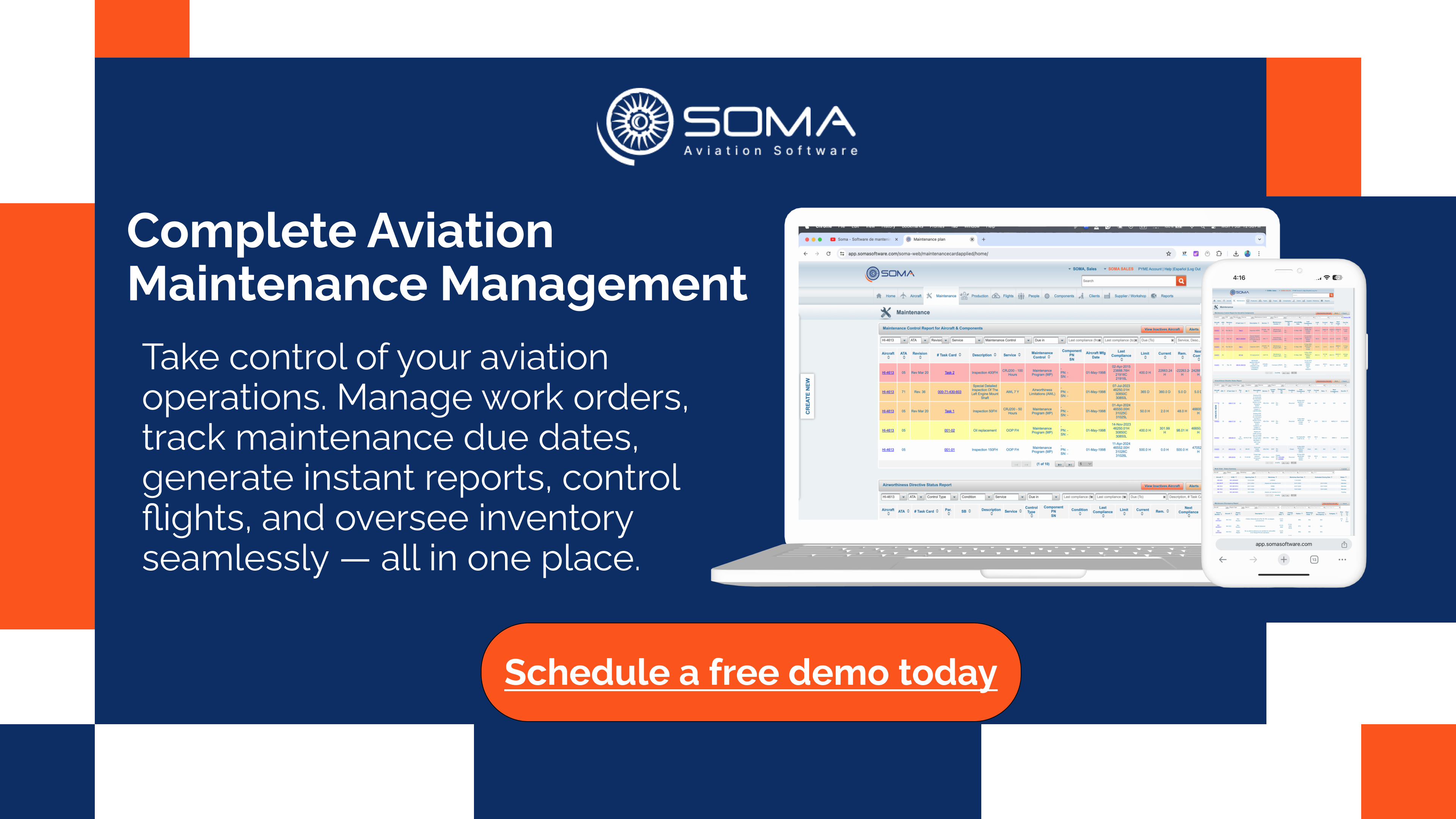
Your team isn't chained to a desk, and your inventory system shouldn't be either. Modern solutions must offer mobile access through common devices like smartphones and tablets, replacing outdated and cumbersome scanners. This shift makes the system more intuitive, significantly reducing training time for your staff. Imagine your technicians on the hangar floor using their phone's camera to scan a part's barcode, instantly updating its status or location in the central system. This capability allows inventory managers to record, update, and assign parts from anywhere, ensuring that your inventory data is always accurate and up-to-date across all locations. The SOMA Production App is a perfect example of how mobile tools can empower your team with on-the-go access to critical inventory functions.
Effective inventory management goes far beyond simply counting parts. A top-tier system provides comprehensive tracking for every asset, including tools, warranties, and items with expiration dates. For aviation, this isn't just a convenience—it's a necessity for compliance and safety. The software should automatically monitor the entire lifecycle of a part, from acquisition to installation, and send alerts for upcoming warranty expirations or shelf-life limits. This proactive approach helps you avoid using expired components and allows you to take full advantage of warranty claims. Centralizing this information within an integrated aircraft maintenance management platform prevents critical data from falling through the cracks, ensuring your fleet remains airworthy and your operations run smoothly.
Data is only useful if you can access and understand it. Your inventory system should make it easy to generate insightful reports for any purpose, whether it's a quick status check on your phone or a detailed analysis for an upcoming audit. Managers need the ability to create custom reports for budgets, performance reviews, and strategic planning without needing a data scientist. Furthermore, seamless integration with your accounting and financial systems via an API is non-negotiable. This connection automates the flow of information, eliminating manual data entry, reducing human error, and giving your finance team a real-time view of inventory value and procurement costs. This level of financial visibility is a core component of a robust purchasing and inventory solution.
Your inventory is only as reliable as the suppliers who provide it. A modern system should include features for managing your vendors and streamlining the entire procurement process. This means you can track supplier performance, audit their certifications, and maintain a list of approved vendors to ensure quality and compliance. The software should also allow you to establish different approval levels for purchasing parts, giving you granular control over spending. By setting up automated workflows, you can ensure that every purchase order follows company policy before it's finalized. This helps you maintain budget discipline and guarantees that only approved parts from trusted sources enter your supply chain, safeguarding the integrity of your maintenance operations.
A Flight Operations Solution is software designed to manage and optimize all aspects of an airline's flight operations, from crew scheduling to flight planning and regulatory compliance. This solution integrates with other key systems, such as maintenance tracking and inventory management, providing a comprehensive view of the airline's operational status at any given time.
In the fast-paced and highly regulated aviation industry, having an Aircraft Maintenance Software that also supports flight operations is crucial. This integration ensures that all operational aspects are aligned, reducing the risk of delays and enhancing overall efficiency.
.webp)
Selecting the right aviation management system is a major decision that will shape your operations for years to come. It’s not just about buying software; it’s about choosing a partner that understands the unique pressures of the aviation industry. The goal is to find a solution that simplifies complexity, not adds to it. A system that feels intuitive to your team and provides a single source of truth across departments will be the one that delivers real value. Think about your most significant operational headaches—whether it's tracking parts, managing work orders, or ensuring compliance—and look for a system designed specifically to solve those problems.
When you start evaluating different software options, it’s easy to get lost in a long list of features. To cut through the noise, focus on the core functions that have the biggest impact on your daily operations. A top priority should be a robust inventory management system. As industry experts point out, "a strong inventory system helps you know what parts you have, keep track of them, and report on them easily." This means you need a platform that offers real-time visibility into your stock. Another critical area is reporting. The system should make it simple to generate detailed reports on everything from part consumption to maintenance costs, giving you the data you need to make informed decisions and maintain compliance without a struggle.
As you narrow down your options, it’s time to ask some pointed questions. Don’t be shy about digging into the details of how a system works. Start by asking how the software handles the connection between purchasing and inventory. A truly integrated solution ensures that "as soon as a part is ordered, it is tracked throughout its lifecycle, from purchase to installation." Ask potential providers to walk you through that exact process. Inquire about how their system supports aircraft inventory management and whether it’s tailored specifically for aviation or is a more generic ERP. You want a solution built by people who understand the difference between a standard warehouse and an MRO facility.
The price tag is always a factor, but it’s important to look at the total cost of ownership, not just the initial license fee. Ask about costs for implementation, data migration, training, and ongoing support. A clear and transparent pricing model is a sign of a trustworthy provider. Equally important is the implementation timeline. Ask for a realistic schedule and find out what resources will be required from your team. A smooth transition is key to user adoption. Remember, "using one reliable source of information for all departments greatly improves data accuracy," which ultimately saves money and reduces risk. Investing in a unified system like SOMA Software pays dividends by creating efficiencies that far outweigh the initial cost.
The aviation industry is constantly evolving, and the technology that supports it is no different. Staying aware of key trends can help you choose a software solution that won’t just meet your needs today but will also grow with you into the future. From the shift to cloud-based platforms to the integration of artificial intelligence, these advancements are reshaping how airlines and MROs manage their operations. Choosing a forward-thinking software partner means you can adapt to these changes proactively, keeping your fleet efficient, compliant, and competitive in a dynamic market.
One of the most significant shifts in aviation software is the move to the cloud. More and more, "ERPs are moving online, making them flexible and letting you see data right away from anywhere." This move away from clunky, on-premise systems gives your team the ability to access critical information whether they are in the office, on the hangar floor, or at a remote station. This flexibility is a game-changer for productivity. For example, mobile tools like the SOMA Production App allow technicians to update work orders and log parts directly from their devices, eliminating paperwork and reducing the chance of errors. This real-time data flow ensures everyone is working with the most current information.
Emerging technologies like artificial intelligence (AI) and blockchain are no longer just buzzwords; they are starting to deliver real-world benefits in aviation. As experts note, "artificial intelligence helps businesses make better choices by showing trends and managing resources." In maintenance, AI algorithms can analyze historical data to predict when a component is likely to fail, allowing you to schedule proactive repairs and avoid unplanned downtime. Blockchain also holds promise for creating an unchangeable, transparent record of a part's history, which could revolutionize component traceability and combat the issue of unapproved parts. While still evolving, these technologies are shaping the future of aviation management.
Sustainability is becoming an increasingly important factor in every aspect of aviation, and your management software can play a key role in supporting your green initiatives. The "increasingly intricate legal and compliance landscape—especially with growing emphasis on sustainability in aviation—further complicates operations." A modern software solution helps you manage this complexity. By optimizing flight operations to reduce fuel burn, improving maintenance scheduling to enhance engine efficiency, and streamlining inventory to minimize waste, you can make significant strides toward your sustainability goals. An effective system provides the data and reporting needed to track your environmental performance and demonstrate compliance with evolving regulations.
In today’s competitive aviation environment, the ability to streamline processes, improve visibility, and reduce costs through a single, integrated software solution is invaluable. An all-in-one Aircraft Maintenance Software that combines maintenance tracking, purchasing and inventory management, and flight operations offers numerous advantages.

Integrating maintenance tracking, inventory management, and flight operations into a single software solution offers unparalleled advantages for airlines. From streamlining processes and reducing costs to improving visibility and fostering better collaboration, an all-in-one solution is essential for any airline looking to optimize its operations and maintain a competitive edge in today’s challenging aviation environment.
At SOMA Software, we offer a comprehensive solution that integrates maintenance tracking, inventory management, and flight operations into one powerful platform. Our software is designed specifically for the airline industry, ensuring that it meets all your operational needs while helping you stay compliant, reduce costs, and improve efficiency. With 24/7 expert support and a focus on continuous improvement, SOMA Software is the partner you need to keep your fleet flying safely and efficiently. Get in touch with us today to learn how our software can revolutionize your operations.
What's the difference between passenger inventory and MRO inventory? Passenger inventory refers to the seats available on a flight, which are perishable and managed to maximize revenue. MRO (Maintenance, Repair, and Overhaul) inventory consists of the physical parts and supplies needed to keep aircraft airworthy. Managing MRO inventory is about ensuring safety, compliance, and operational readiness, not just selling a product.
Why can't I just use a generic inventory system for my aircraft parts? Generic inventory systems aren't built to handle the specific demands of aviation. They lack features for tracking part lifecycles, managing warranties, monitoring items with expiration dates, and ensuring compliance with strict aviation regulations. A specialized system is designed to manage these complexities, which helps prevent costly errors and keeps your fleet safe.
My team is always on the move. How can a software system keep up? Modern aviation management software is designed for mobility. Instead of being tied to a desktop computer, your technicians and managers can use mobile apps on their phones or tablets. This allows them to scan parts, update work orders, and access critical data directly from the hangar floor, ensuring your inventory and maintenance records are always accurate and in real time.
What is "predictive maintenance" and how does it save money? Predictive maintenance uses data analysis to forecast when an aircraft component is likely to need a repair or replacement. Instead of waiting for a part to fail unexpectedly (which can ground an aircraft and lead to expensive, urgent repairs), you can address the issue proactively during scheduled maintenance. This approach minimizes unplanned downtime and extends the life of your components, leading to significant cost savings.
Is an all-in-one system really better than using separate tools for maintenance, inventory, and flight ops? Yes, an all-in-one system provides a single source of truth for your entire operation. When your maintenance, inventory, and flight operations data are integrated, you eliminate information silos and reduce the risk of human error from manual data entry. This creates seamless workflows, improves collaboration between departments, and gives you a complete, real-time view of your fleet's status, which is essential for making smart, timely decisions.