The pressure is on for regional airlines and MROs to improve operational efficiency, meet complex compliance, and reduce costly downtime. Yet many are still wrestling with legacy systems, spreadsheets, or outdated custom tools. While these solutions might feel familiar, they often limit visibility, increase manual errors, and create frustrating operational silos. Finding the best aviation maintenance software in 2025 is no longer just an option—it's critical. This guide will help you find the right aircraft MRO software that empowers your team instead of holding it back.
This guide helps airline operators, maintenance leaders, and engineers confidently select modern aircraft maintenance software—platforms that automate critical workflows and reduce resistance to change.
Aircraft maintenance software refers to digital platforms that manage the planning, execution, and compliance of aviation maintenance operations. These systems replace manual processes and disconnected tools with centralized, automated workflows—ensuring safety, regulatory compliance, and operational uptime.
Before we get into the features, let's clear up some of the jargon you'll encounter. The world of aviation maintenance is full of acronyms, but understanding a few key terms will make your software search much smoother. Knowing the difference between MRO, CMMS, and EAM helps you identify exactly what kind of solution your operation needs to run efficiently and stay compliant.
MRO stands for Maintenance, Repair, and Overhaul, which covers the full scope of activities required to keep an aircraft airworthy. It includes everything from routine inspections and scheduled part replacements to complex structural repairs and complete system overhauls. MRO software is specifically designed to manage these critical tasks, ensuring that all maintenance work is tracked, documented, and compliant with strict aviation standards. A robust platform provides a single source of truth for technicians, planners, and managers, which is essential for minimizing aircraft downtime and keeping your fleet in top condition.
You'll often hear the terms CMMS and EAM, and it's helpful to know how they differ. A Computerized Maintenance Management System (CMMS) focuses on the day-to-day execution of maintenance tasks. Think of it as the "doing" system—it handles work orders, schedules preventive maintenance, and keeps records of individual assets. Enterprise Asset Management (EAM), on the other hand, takes a much broader view. EAM covers the entire lifecycle of an asset, from procurement and operational use to its eventual retirement. This includes financial tracking, inventory control, and long-term performance analysis. While a CMMS is often a component of an EAM, a true EAM system gives you a complete picture of an asset's value and cost over its entire life, as noted by industry experts.
The operational demands of 2025 go beyond digital recordkeeping. Airlines must handle increasingly complex fleets, comply with evolving global standards, and optimize resources in real time. Sticking with outdated tools increases the risk of non-compliance, data loss, and inefficient maintenance cycles.
Waiting for something to break is always more expensive than preventing the problem in the first place. This is especially true in aviation, where reactive maintenance leads to AOG situations, flight delays, and costly emergency repairs. Proactive maintenance, on the other hand, focuses on preventing failures before they happen. This approach not only keeps aircraft flying safely but also has a massive impact on your bottom line. It shifts your team from a constant state of firefighting to one of strategic planning and control.
The numbers speak for themselves. According to industry analysis, preventive maintenance can cut maintenance costs by at least 18%, while predictive maintenance—which uses data to forecast issues—can reduce them by up to 30%. Modern software makes this possible by automating maintenance schedules, tracking component life cycles, and providing clear visibility into your entire fleet. Instead of guessing when a part might fail, you have data-driven insights that guide your decisions, making aircraft maintenance management more efficient and predictable.
The move toward modern maintenance platforms isn't just a passing trend; it's a fundamental shift in how the industry operates. The maintenance management software market is projected to grow from $1.29 billion in 2024 to $2.41 billion by 2030, signaling a clear industry-wide commitment to digitalization. This growth is driven by the urgent need for solutions that can manage complex, mixed fleets, adapt to ever-changing regulations, and provide the real-time data necessary for quick, informed decisions.
As we look ahead, airlines and MROs require software that does more than just track tasks. They need integrated systems that connect maintenance with purchasing and inventory, flight operations, and compliance. Legacy systems simply can't keep up with these demands. Adopting a modern, all-in-one platform is no longer a luxury—it's essential for staying competitive, compliant, and operationally resilient in an increasingly complex aviation landscape.
Not all maintenance platforms are created equal. Here are must-have capabilities for 2025:
Explore how SOMA’s Maintenance Management System delivers all this and more.
Selecting the right software is less about finding a one-size-fits-all solution and more about identifying a platform that aligns with your team’s specific operational needs. The goal is to find a tool that not only meets your current requirements for maintenance, compliance, and inventory but can also adapt as your fleet and operations grow. A thoughtful evaluation process ensures you invest in a system that your team will actually use, one that simplifies their work instead of adding complexity. This means looking beyond a simple feature list and considering factors like user experience, integration capabilities, and the provider’s long-term support.
It’s tempting to view new software as a silver bullet for operational challenges, but it’s important to remember its true role: to enhance and automate well-defined processes. Modern aircraft maintenance software is incredibly effective at automating routine tasks, minimizing human error, and ensuring every action is logged for compliance. However, it cannot fix underlying procedural issues. Before you start shopping for a platform, take the time to map out your existing workflows. Identify what’s working and where the bottlenecks are. This clarity will help you find a software solution that supports your team’s strengths and provides targeted improvements where you need them most.
When you begin comparing different software options, it’s easy to get lost in long lists of features. To keep your evaluation focused, concentrate on a few core criteria that will have the biggest impact on your day-to-day operations and long-term success. These benchmarks help you cut through the marketing noise and assess each platform based on its practical value to your organization. Consider how each system performs in terms of usability for your technicians, its ability to scale with your business, and its overall financial value. A balanced assessment across these key areas will lead you to a more sustainable and effective choice.
If a platform isn't intuitive, your team won't use it consistently, and you'll never see the full return on your investment. The best software features a clean, logical design that feels natural to your technicians, planners, and inspectors, even those who aren't tech-savvy. Look for a system with a minimal learning curve and clear navigation. Mobile accessibility is non-negotiable; tools like the SOMA Production App allow technicians to update tasks and log data directly from the hangar, which is far more efficient than running back to a desktop. A user-friendly interface is the foundation of successful adoption.
The software you choose today should be able to support your organization tomorrow. Consider your long-term growth plans. Will you be adding more aircraft to your fleet, expanding to new locations, or taking on more complex MRO projects? A scalable platform can handle an increasing volume of data, users, and assets without a drop in performance. Ask potential vendors how their system accommodates growth. Does it support multi-site operations? Can you easily add new users and aircraft? Your software should be a long-term partner that grows with you, not a temporary fix you’ll outgrow in a few years.
Evaluating the cost of software requires looking beyond the initial price tag. It’s essential to find a solution that fits your budget while delivering the features you need to operate efficiently and safely. Ask for a clear breakdown of the pricing structure—is it a one-time fee, a monthly subscription, or a per-user model? Be sure to inquire about any additional costs for implementation, training, data migration, and ongoing support. A transparent pricing model without hidden fees allows you to calculate the total cost of ownership and accurately assess the software’s long-term financial value for your operations.
When you start researching maintenance software, you'll find many general-purpose Computerized Maintenance Management Systems (CMMS) designed for a wide range of industries, from manufacturing to facility management. While these platforms offer robust tools for managing work orders and assets, they often lack the specialized features required for the highly regulated aviation environment. Understanding what these general platforms offer can provide a helpful baseline, but it’s crucial to recognize where they fall short for MROs and airlines. Aviation demands specific functionalities for airworthiness directives, digital logbooks, and strict compliance tracking that generic systems simply aren't built to handle.
Coast is often highlighted as a versatile maintenance management solution suitable for teams of all sizes across various industries. Its platform is designed to be an all-in-one tool, centralizing work orders, asset management, and team communication. The primary focus is on simplifying general maintenance workflows, making it a popular choice for businesses looking to move away from spreadsheets and paper-based systems. For organizations outside of aviation, it provides a solid foundation for organizing and tracking maintenance tasks, parts inventory, and technician assignments in a single, accessible system.
Limble CMMS is frequently recommended for small to medium-sized businesses that prioritize clear and straightforward reporting. The software is known for its user-friendly interface, which helps teams get up and running quickly with minimal training. It excels at translating maintenance data into easy-to-understand reports and dashboards, giving managers insight into asset health, work order completion rates, and team productivity. This focus on accessible data makes it a strong contender for companies that need to demonstrate maintenance effectiveness without getting bogged down in overly complex analytics.
UpKeep is recognized for its mobile-first approach to maintenance management, empowering technicians to manage their work directly from their smartphones. The platform is designed for ease of use, with a strong emphasis on clear data visualization and reporting. It allows teams to create work orders, manage assets, and track inventory on the go. This makes it particularly well-suited for organizations with distributed teams or those who need to capture maintenance information in real-time from the field. Its intuitive design helps reduce administrative work and keeps technicians focused on hands-on tasks.
eMaint, a Fluke company, offers a comprehensive and highly configurable CMMS that caters to a wide array of maintenance needs. It is known for its robust feature set, which includes predictive maintenance capabilities, multi-site support, and detailed reporting tools. The platform's flexibility allows it to be tailored to the specific processes of different industries, making it a powerful option for large enterprises with complex operational requirements. Organizations use eMaint to manage everything from preventive maintenance schedules to regulatory compliance, all within a single, integrated system.
MaintainX stands out for its user-friendly interface and strong mobile capabilities, which are designed to facilitate clear communication within maintenance teams. The platform combines work order management with real-time chat, allowing technicians and managers to collaborate effectively on tasks. It is particularly effective for teams that need to coordinate work across different shifts or locations. By blending communication and workflow tools, MaintainX helps streamline operations and ensures that everyone on the team is aligned on priorities and progress, reducing delays and misunderstandings.
Tractian is a maintenance platform that places a strong emphasis on IoT integration and predictive maintenance. It uses sensors to monitor equipment health in real-time, automatically detecting anomalies and alerting teams to potential failures before they occur. This data-driven approach helps organizations shift from a reactive to a proactive maintenance strategy, reducing unplanned downtime and extending asset life. Tractian is ideal for industrial settings where equipment reliability is critical and where leveraging real-time data can provide a significant competitive advantage in operational efficiency.
Fiix is known for its comprehensive features and flexibility, making it a popular choice across many industries. The platform provides a cloud-based CMMS that helps organizations schedule, track, and optimize their maintenance activities. It offers a wide range of tools, including work order management, asset tracking, and inventory control. Fiix is also recognized for its ability to integrate with other business systems, allowing for a more connected and holistic approach to operations. Its adaptability makes it a viable solution for businesses looking for a scalable platform that can be configured to their unique workflows.
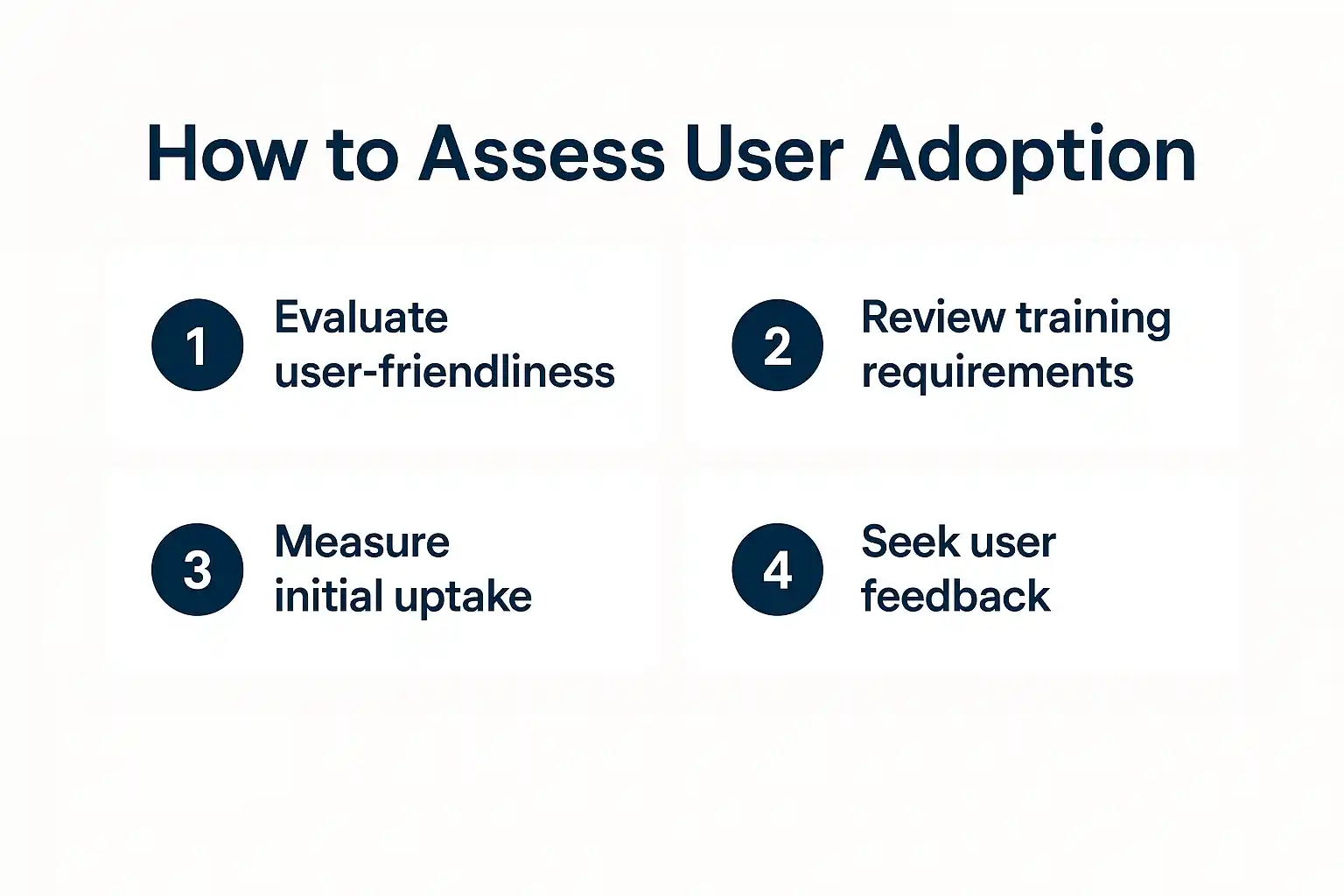
Resistance often stems from fear of disruption. These strategies help ensure smoother transitions:
To get genuine buy-in, you need to see the software through your team's eyes. Your A&P licensed mechanics are the ones on the hangar floor, performing the critical inspections, repairs, and maintenance that keep your fleet airworthy. Their daily work is a mix of deep technical skill and meticulous documentation. Any new software should simplify both aspects of their job, not add another layer of complexity. The right platform feels less like a mandate from management and more like a powerful tool designed specifically for them—one that reduces paperwork, provides instant access to manuals, and makes it easier to track parts and log tasks accurately.
When evaluating software, think about the mechanic who’s finishing a complex repair at the end of a long shift. Will the new system make it easier for them to sign off on their work, or will it require them to walk back to a desktop and fight with a clunky interface? Modern tools are designed for the reality of the job. For example, mobile applications like the SOMA Production App allow technicians to update work orders, check inventory, and access documents right from their tablets. Choosing software that respects your mechanics' time and expertise is the fastest way to ensure a smooth transition and see a real return on your investment.
A&P licensed mechanics are the foundation of aviation safety. They are legally responsible for ensuring an aircraft is safe to fly by performing scheduled inspections, troubleshooting issues, and completing necessary repairs. This role demands an incredible level of precision and accountability, as every action must comply with strict aviation regulations. Their work directly impacts not just operational uptime but the well-being of crew and passengers. Because their responsibilities are so critical, the tools they use must be just as reliable. Modern maintenance software supports their work by automating workflows, minimizing the risk of manual errors, and ensuring every step is documented for compliance.
The demand for skilled A&P mechanics is strong and expected to grow as aircraft become more technologically advanced. According to industry reports, the need for qualified technicians is rising steadily. This career path offers significant financial rewards, with experienced mechanics earning salaries that can range from $48,000 to over $120,000 annually, depending on their specialization and experience. In a competitive hiring market, retaining top talent is crucial. Providing your team with efficient, user-friendly technology is a powerful retention tool. When you invest in software that removes daily frustrations and helps mechanics focus on safety and quality, you show them they are valued.
When talking to software vendors, ask:
It’s tempting to start your search by looking up "best aviation maintenance software" and trusting the first ranking you see. But be careful—some review sites can be misleading. One popular ranking site, for example, states its lists are based *only* on user feedback but simultaneously warns that its own list might not be the best source for genuine user opinions. Instead of relying on a single score, look for detailed reviews that describe specific use cases. Does the feedback mention how the software handles complex inventory management or simplifies compliance tracking? Are there comments from technicians about a mobile app's usability on the hangar floor? These specifics are far more valuable than a generic five-star rating and help you understand if a platform can solve your unique operational challenges.
Context: A regional airline operating across Latin America relied on Excel and outdated local systems for maintenance tracking.
Problem: Frequent data discrepancies, compliance gaps, and poor coordination between maintenance teams.
Solution: SOMA deployed its cloud-based aircraft maintenance software, integrating all workflows across locations and digitizing compliance processes.
Result: The airline reduced unplanned maintenance by 32%, cut reporting time by 40%, and achieved 100% digital traceability within six months.
SOMA Software is purpose-built for regional airlines and MROs seeking scalable, user-friendly solutions. Our platform integrates:
Learn more about our Aviation ERP platform and how we support end-to-end aviation operations.
Modernizing your maintenance operation shouldn’t feel overwhelming. With the right partner, you can transition from outdated systems to intelligent workflows—without disrupting operations.
Ready to streamline your maintenance?
Schedule a demo with SOMA Software today and discover how we help regional operators modernize with confidence.
What's the real difference between a general CMMS and software made for aviation? While many general maintenance systems are great for managing work orders, they aren't built for the strict regulatory world of aviation. Aviation-specific software is designed to handle airworthiness directives, digital logbooks, and complex compliance tracking right out of the box. It understands the unique language and workflows of MROs, so you aren't trying to force a generic tool to do a highly specialized job.
How disruptive is the switch to a new maintenance platform? The transition is much smoother than you might think, especially with the right partner. A good software provider will work with you to migrate your existing data and plan a gradual rollout, perhaps starting with a single fleet or location. This approach minimizes disruption to your daily operations and allows your team to learn the new system without feeling overwhelmed.
My mechanics are used to paper logs. How can I get them to adopt a new digital system? Adoption comes down to choosing a system that makes their job easier, not harder. Look for software with a clean, intuitive mobile app that lets them update tasks and access manuals directly from the hangar floor. When they see that the new tool saves them time and reduces tedious paperwork at the end of a long shift, they'll be far more likely to embrace it.
Is this type of software affordable for a smaller regional airline or MRO? Absolutely. Modern software is no longer just for major carriers. Many platforms, including SOMA, are built to scale with your operation. Instead of a massive upfront investment, you can often find flexible subscription models that fit your current size and budget, allowing you to add capabilities as your fleet or business grows.
What's the most important thing to do before I start scheduling software demos? Before you look at any software, take some time to map out your current maintenance processes. Identify exactly where your team faces bottlenecks, communication gaps, or compliance risks. Having this clarity first helps you evaluate each platform based on how well it solves your specific problems, rather than just getting distracted by a long list of features.