Managing a growing fleet with a fixed legacy system can slow maintenance work and increase costs. Mid-sized operators need software that balances technical depth with practical workflows, responsive support, and an implementation plan their teams can manage.
Request a personalized SOMA Software quote to compare the platform with your current maintenance and continuing airworthiness workflows.
An AMOS aviation software alternative should give mid-sized airlines and MRO teams the maintenance, continuing airworthiness, inventory, and operational controls they need without unnecessary complexity. Compare workflow fit, implementation demands, integrations, usability, and the vendor support model before choosing a platform for your fleet.
Finding the right tool means looking past the biggest names to see which software fits day-to-day needs. Start by understanding why mid-sized operators look for an AMOS aviation software alternative when current systems become too slow or complex to manage.
Many mid-sized aviation firms reach a point where their current tools no longer fit. While AMOS is a well-known name in the field, it is not always the best match for every team. Local airlines, MRO sites, and charter teams often search for an AMOS aviation software alternative to gain more speed. They need a system that fits their size and daily pace without adding too much weight to their work.
A big reason to seek a new system is the balance between tool power and ease of use. Large systems are built to manage the world's largest airlines. These systems have many tools that a mid-sized fleet may never use.
For a small cargo firm or a local MRO, these extra layers can slow down simple tasks. This can make the daily work feel harder than it needs to be.
A fleet needs a system that is easy to learn and quick to use. When a tool has too many menus, it can lead to errors or lost data. A safety-first culture in aviation maintenance requires that all staff can use the software well.
If the screen is hard to read, teams may skip steps or use paper notes. This creates a risk that no manager wants to see. A simpler tool helps the team stay focused on the aircraft and their safety goals.
Old legacy systems often take a long time to set up. Some platforms can take six months or even a year to fully start. For a mid-sized fleet, this long wait is a major cost.
They need to see a return on their buy quickly to stay in business. They cannot afford to wait for a long launch while their planes are on the ground.
Modern tools like the fleet maintenance software from SOMA are built for fast setup. They focus on the most vital needs of MRO and CAMO teams. This allows a team to move from spreadsheets to a digital platform in just a few weeks.
Lower setup costs also help the firm save money. Mid-sized fleets can get high-grade tools without the high cost of a heavy legacy brand. They can start tracking their fleet right away instead of waiting for months of training.
Service and help are also top reasons to switch. Many global software firms have help desks in distant lands. They may not know the local rules or the unique needs of a local market. For fleets in areas like Latin America, this can be a huge block. It is hard to get help when the person on the phone does not know your region or your rules.
Teams often look for a partner who speaks their language and works in their time zone. They want engineers who act as partners in their daily work. A good alternative offers this close link between the vendor and the user.
This helps fleets stay compliant with both local and global flight laws. It also makes it easier to fix issues fast when an aircraft is on the ground. Having a partner who knows the local market can make a big change in how well a fleet runs.

| Comparison area | What to validate | Evidence to request |
|---|---|---|
| Workflow fit | End-to-end maintenance and continuing airworthiness processes | Scenario-based demonstration |
| Implementation | Scope, migration, configuration, training, and responsibilities | Written implementation plan |
| Integration | ERP, operational, and reporting connections | Architecture and data-flow review |
| Usability | Role-based workflows for office and hangar teams | Hands-on user testing |
| Support | Aviation expertise, response model, and continuous improvement | Named support process and references |
| Total cost | Licensing, implementation, integration, training, and change costs | Multi-year cost model |
When you look for an amos aviation software alternative, a long list of features can be a trap. Many tools claim to do it all, but they might not fit your daily tasks. You need a system that works with your team, not against them. A good choice must handle your exact fleet needs and local rules. It should also be easy to set up so your daily work does not stop.
A simple list of tools does not show how well a system works in real life. You should test how the software handles a full task from start to finish. For one test, check how a work order moves from the shop floor to final sign-off. This helps you find gaps that a basic demo might hide. It also ensures the tool supports a strong safety-first culture in your hangar.
Choosing a new tool is a big step for your team. You want a partner who knows the sky as well as you do. SOMA's staff are flight experts who act as your partners. They help you set up workflows that match your exact needs. This is much better than getting a plain box of software. Their expert help ensures you can switch from old systems in just four to eight weeks.
Your fleet maintenance software should bridge the gap between repair and engineering tasks. A true amos aviation software alternative must sync your MRO and CAMO teams in real time. This keeps your records live and your fleet ready to fly. You need to see if the tool tracks engine hours and life-limited parts with no lag. SOMA's SOMA MRO software solution does this by linking every part of the system. This helps you avoid the barriers to use that slow down many flight teams.
Handling parts and papers is a big job for any flight team. You need a system that tracks every nut and bolt in your stock. It should also link these parts to your buying and shipping workflows. Good aircraft maintenance tracking makes sure you always have the right data for audits. This reduces risk and keeps your fleet in the air. SOMA helps you replace old Excel sheets with a single, clear view of your whole fleet.
A solid system also helps with flight work and safety reports. It should gather data from every flight to help you plan ahead. This kind of predictive insight can save you from costly downtime. By seeing failures before they happen, you keep your planes moving and your costs low. It turns your data into a tool for growth.
Choosing a new tool to manage your fleet is a big step. You must think about how the new tool will fit into your daily work. Some old tools take months or years to set up. A modern amos aviation software alternative should offer a faster path. Mid-sized teams often need to move fast to stay ahead. The time it takes to set up, link tools, and train staff can make or break your plan.
Most flight teams move from Excel sheets or old legacy tools. This move is often the hardest part of the job. You need a partner that knows how to handle complex records. Bad data in a new system leads to errors and more work. SOMA uses engineers to help you clean and move your files. This careful approach helps you start with a solid base. A SOMA MRO software solution can help simplify these complex tasks.
Your team needs to trust the numbers they see on the screen. If the move fails, your staff will go back to their old ways. This is why human factors are so vital in flight maintenance. Research from the FAA shows that a safety-first culture is key to success. Good setup helps your team stay focused on safety. Fast moves are good, but they must be done right to protect your fleet.
Your upkeep tool should not sit alone. It needs to talk to your other systems, like SAP or billing tools. Good tool connections mean less manual data entry. This reduces the risk of human error in your records. For mid-sized teams, these links must be easy to set up. You do not want to hire a team of coders just to connect two tools. A fluid amos aviation software alternative makes these connections part of the core plan.
A good fleet maintenance software works well with your current workflows. It should give you a clear view of your whole fleet in one place. This helps you spot trends and plan for repairs before parts fail. When your tools work together, your whole team can move faster. You spend less time on paperwork and more time on the planes.
New software is only useful if people use it. Change control is the act of helping your staff use the new tool. Some teams find it hard to stop using the tools they have used for years. Many flight teams face barriers to using new maintenance tech. To beat this, you need a tool that feels natural to use. It should solve real problems for the people on the floor.
Training should focus on the benefits for each role. Parts managers should see how it helps them track stock. CAMO teams should see how it keeps the fleet compliant. When staff see that the tool makes their life easier, they will use it more. This is why SOMA offers support in Spanish for teams in Latin America. It removes a big wall to team use and keeps everyone on the same page.
Get a personalized quote and review implementation, integration, and adoption requirements with SOMA's aeronautical engineers.
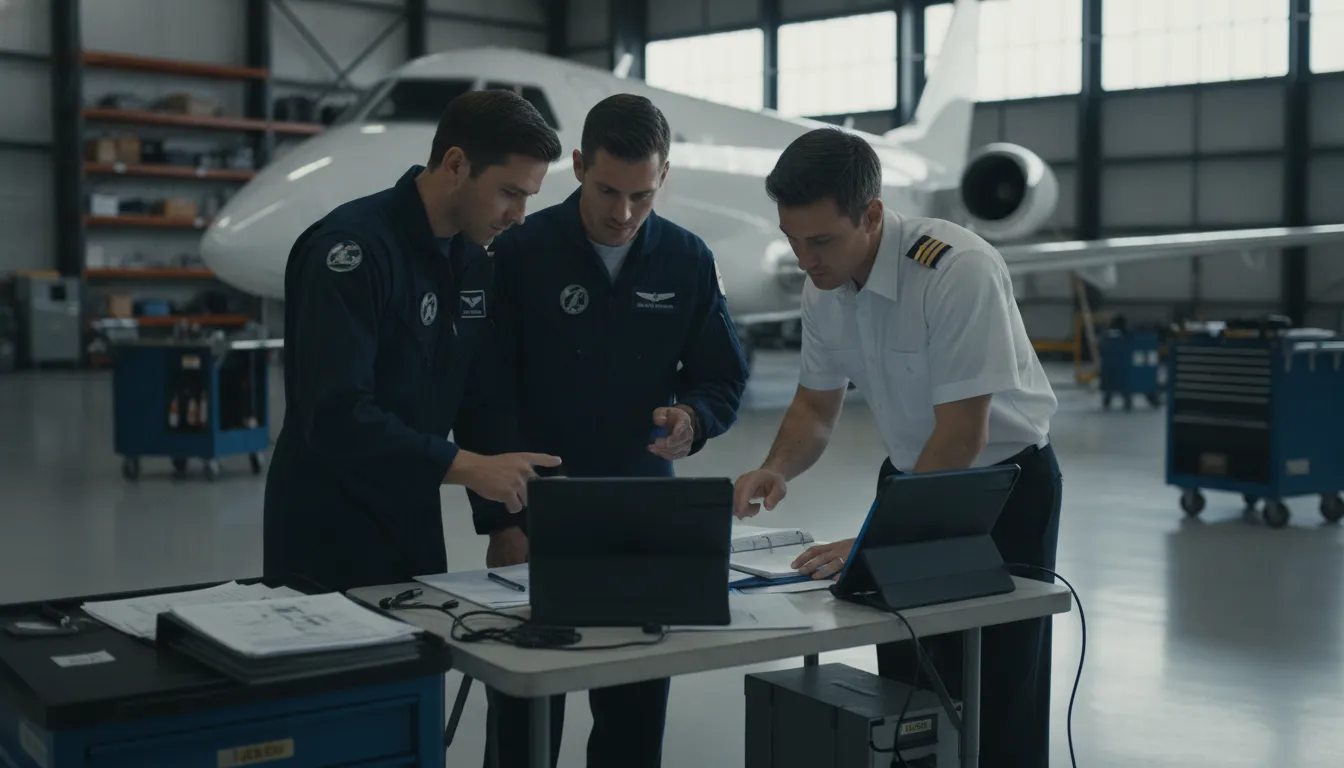
The success of your aviation maintenance software depends on the team behind it. Many vendors provide help only when the code breaks. This reactive model leaves your team to handle complex data moves and system setup alone. For many mid-sized fleets, this creates a gap between buying a tool and seeing real results. When you look for an AMOS aviation software alternative, check if the vendor offers a true partnership.
Aviation maintenance is not just about IT. It is about safety and airworthiness. When your support team consists of aeronautical engineers, they understand the context of your data. They know the difference between a minor part and a critical component. This expertise helps during the initial setup. Engineers can spot errors in data entry that a generic IT person might miss. This proactive approach helps maintain a safety-first culture which is vital in aviation maintenance.
Your needs change as your fleet grows. A good support model offers continuous help. SOMA Software acts as an operational partner rather than just a software vendor. Our team of experts helps you use fleet maintenance software to its full potential. We help with daily tasks to keep your planes operational. This level of care ensures that your staff can focus on maintenance while we handle the digital side of the business.
Moving from a legacy system or Excel can take months. A partner-led model speeds up this path. With experts who know MRO and CAMO terms, the migration is smoother. They can map your old records to new fields with high accuracy. This reduces the risk of data loss or compliance gaps. Choosing a vendor that offers fast setup lets you see value in a few weeks. This speed is a key benefit for regional airlines and cargo operators who need to stay agile.
Choosing the right tool to manage a fleet is a big task. Many large airlines use AMOS because it is a strong and well-known name. But for mid-sized operators, it can be too complex or cost too much to maintain. SOMA Software is an all-in-one platform that helps keep fleets working and safe. It is built to simplify complex tasks without the heavy weight of older tools. If your team needs a fast, easy way to track work, SOMA is a SOMA MRO software solution worth your time.
Large legacy tools often take a long time to start. Some firms wait a year or more to get their new software running. Mid-sized teams cannot afford to wait that long to fix their workflows. SOMA focuses on a fast setup that takes just four to eight weeks. This helps you get your data out of Excel and into a real system much faster. You can start tracking your fleet and making safe choices in just a few months.
Safety is the most vital part of any aviation job. The FAA links human factors to how well a team keeps planes safe. SOMA helps by making the tools simple and clear. When the software is easy to use, there is less chance for a person to make a mistake. This keeps your records clean and your planes ready to fly. Most regional and national airlines find this blend of speed and safety very helpful for their growth.
Most software firms only give you tech support. They know how to fix a bug, but they may not know how to fix a plane. SOMA is different because the staff are aeronautical engineers. They act as working partners who help you make hard choices every day. They know the rules for MRO and CAMO. This deep skill means the software fits your real-world needs. You get help from people who know your job, not just the code.
This partner model is a big win for teams in Latin America and the Caribbean. SOMA gives you full support in Spanish. This is a key edge for firms in that region. You do not have to struggle with language gaps when you have a technical problem to solve. Having an expert who knows the law and the tool makes a huge difference. It helps you keep high standards while you work to grow your fleet size.
Keeping track of parts and dates is a hard job. SOMA provides a fleet maintenance software system that brings all your data into one place. It handles parts, flight ops, and record control at once. This stops data from being lost in different files or desks. When your team has one place for all facts, they work faster. They can trust the data and make better plans for the fleet.
SOMA also works well with the tools you have now. It can link to ERP systems like SAP to keep your money and parts in sync. This means your work data flows right into your business files. You get a full view of your costs and what you need to buy. For many firms, this link is the best way to replace a big system like AMOS. It gives you the power you need without making things too hard for your team.
Using new tools can also lead to better clues about your fleet. Modern systems can find when a part might fail before it actually breaks. This view helps you cut down on the time planes spend on the ground. It keeps your planes in the air where they belong. If you want a partner that helps you use these new ideas with no stress, SOMA is a top choice for any growing aviation firm.
Choosing a new maintenance system is a big move for any airline. You need a clear way to find the best amos aviation software alternative for your team. This process must go beyond a simple price check. It should focus on how the tool fits your exact fleet and workflows. A solid shortlist helps you avoid systems that are too heavy or too simple for your needs.
Your first step is to write down your must-have features. Focus on areas like CAMO, MRO, and flight operations. Many fleets realize that legacy tools are too rigid for modern needs. You want a SOMA MRO software solution that scales as you grow. The system must keep your records clear and your fleet airworthy. You should also check for Spanish-language support if you work in the Latin American market.
Look for these key features when you build your list:
Do not rely on a basic sales demo. You should ask the vendor to show you how their tool handles your hardest tasks. This might include engine changes or complex records. A good system makes these tasks fast and easy to track. The FAA notes that safety culture depends on clear paths. Your software should make it simple for staff to follow those rules. Check if the tool can link with your current ERP like SAP. This helps you keep one source of truth for all your data.
Support after selection is as important as the software itself. Ask who will guide configuration, migration, training, and daily operational questions. SOMA differentiates its approach through aeronautical engineers who act as operational partners rather than generic software support.
Score finalists against the same weighted criteria and speak with comparable operators. Ask references about migration effort, adoption, service responsiveness, and unexpected costs. Complete security, data ownership, and contract reviews before making the final decision.
An Approved Maintenance Organization is a shop with a legal permit from the government to fix planes. A Maintenance, Repair, and Overhaul site is a business that does the actual work on aircraft and parts. While the first term is a legal name, the second refers to the physical work site. According to the FAA, human factors and a safety culture are vital for both types of sites to keep planes safe.
AMOS is a tool used by airlines and shops to manage plane maintenance, parts, and engineering tasks. It helps big teams track complex data and stay legal with safety rules. While it is very deep, it can be hard and slow for smaller fleets to set up and use. Many mid-sized teams find it is too heavy for their daily needs. They often look for a lighter system that works better for their specific size and regional needs.
Modern tools like SOMA Software can be ready to use in about four to eight weeks. This is much faster than old systems that often take many months or even years to fully start. A quick setup helps teams stop using paper or Excel files sooner. This shift cuts down on mistakes and helps keep planes in the air. Rapid setup is a key benefit for mid-sized operators who need to see results and save money quickly.
A good tool for a mid-sized team should be easy to use and quick to set up. It must handle all maintenance and parts tasks in one place without being too complex. The best options often include local help in your own language. For example, SOMA Software uses real aeronautical engineers to help users as partners, not just as tech support. This approach ensures the software fits the real daily needs of a busy flight team.
Sticking with heavy legacy systems often leads to higher costs and slower work. Every day you wait to switch is a day spent on complex tasks that should be simple. You can stop wasting time and start seeing better results in just a few weeks with a platform built for your actual needs. Our team of engineers helps you move fast so your fleet stays ready for flight. Choosing a modern partner now keeps your fleet safe and helps your business grow. Do not let old tools hold your team back from doing their best work. This is the right time to make your business more efficient. A simple change today leads to years of easier work for your whole team.
Ready to compare your options? Contact SOMA Software today to request a personalized quote or try the platform for free.