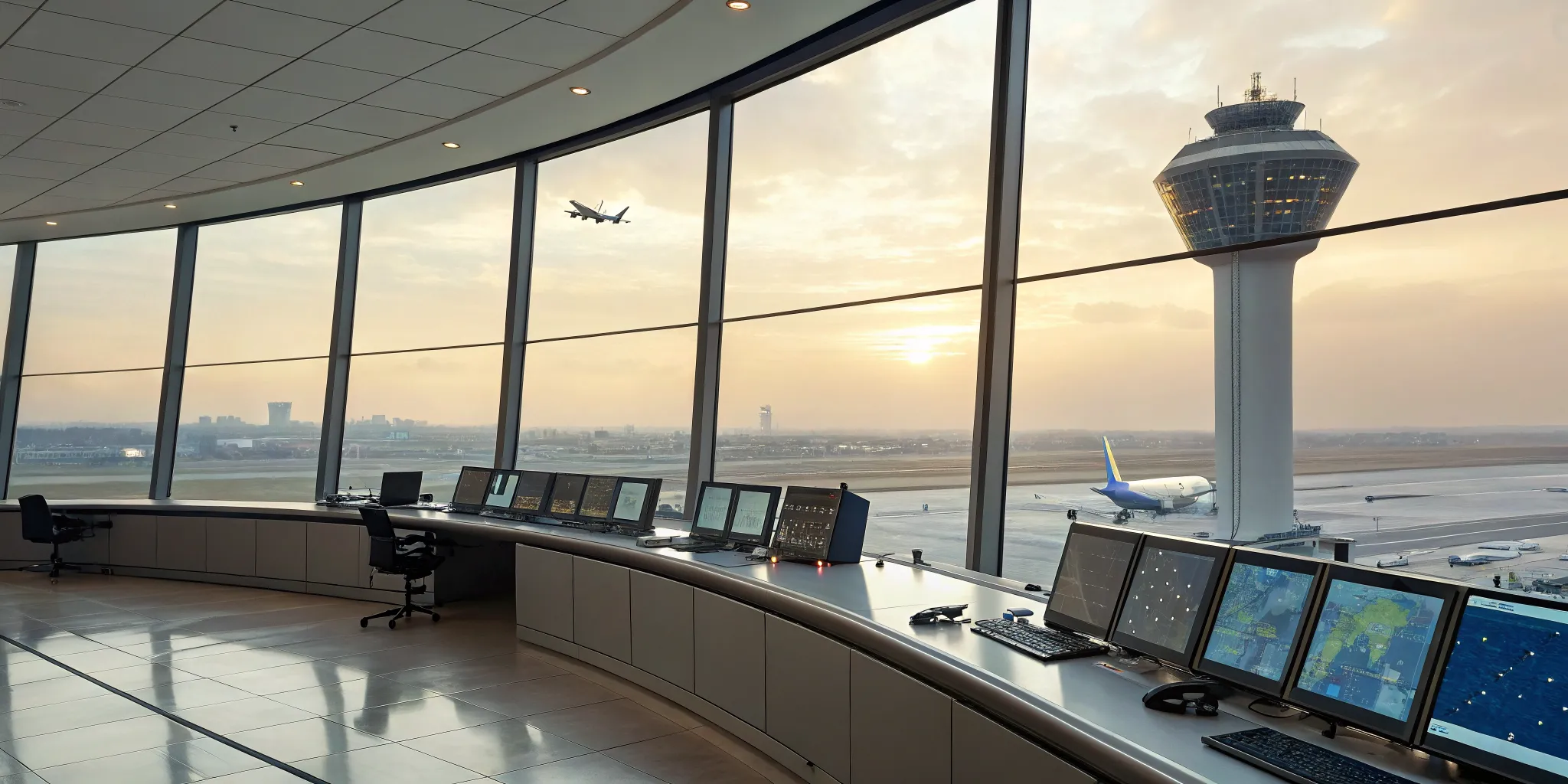
Running an airline often feels like you’re one step behind, constantly reacting to weather changes, maintenance issues, and crew scheduling conflicts. This reactive mode is stressful, inefficient, and costly. What if you could get ahead of these challenges? A flight operations information system enables this fundamental shift from a reactive to a proactive management style. It uses real-time data and predictive insights to help you anticipate problems before they disrupt your schedule. This foresight allows for smarter planning and smoother execution, empowering your team to manage with confidence.
Behind every on-time departure and smooth landing is a massive coordination effort. Flight operations software, sometimes called a Flight Operating System (FOS), is the central command center that makes it all happen. Think of it as the digital brain for an airline's ground operations, a single platform that helps your team manage the complex logistics of daily flights. It’s designed to bring order to the chaos, ensuring every flight is safe, compliant, and efficient.
Without a modern system, your operations team can get stuck in a constant state of "fire-fighting," reacting to problems instead of preventing them. This reactive approach leads to operational snags, compliance risks, and rising costs. A dedicated software solution shifts the focus from crisis management to fine-tuning, giving you the tools to keep flights on schedule and operations running smoothly.
At its heart, flight operations software is a specialized tool that helps airlines manage their day-to-day flight activities. It acts as a central hub where dispatchers, operations managers, and crew coordinators can work together seamlessly. This system streamlines everything from creating flight schedules to assigning crew and ensuring all safety protocols are met before takeoff. By centralizing information and automating routine tasks, it allows your team to focus on making critical decisions that keep your flight operations running like a well-oiled machine. The goal is to create a reliable, predictable environment where every flight is set up for success.
Flight operations software is essential for a wide range of aviation operators, not just the major airlines you see at international airports. From cargo carriers and regional airlines to private business fleets and on-demand charter services, any organization that manages aircraft relies on these systems. The common denominator is the need to coordinate a complex set of variables—scheduling, crew assignments, maintenance status, and regulatory compliance—to ensure every flight is safe and efficient. This software provides the framework to manage those moving parts, regardless of the fleet's size or mission, creating a single source of truth for the entire team.
For business and charter aviation, the game is all about flexibility and impeccable service. Schedules aren't set months in advance; they can change on a dime based on client needs. This high-stakes environment demands a system that can keep up. Flight operations software serves as the operational backbone for these companies, acting as a central hub for dispatchers, pilots, and managers to coordinate complex, on-demand trips without missing a beat. Instead of juggling spreadsheets and phone calls, everyone works from a single, real-time source of information. This centralized approach is key to streamlining how they manage their day-to-day flight activities, allowing them to deliver the seamless, premium experience their clients expect while ensuring every operational and safety detail is meticulously handled.
Working without an integrated flight operations system can feel like trying to conduct an orchestra with each musician playing from a different sheet. It often leads to disconnected processes, communication breakdowns, and costly inefficiencies. Your team might struggle with maintaining regulatory compliance, managing last-minute schedule changes, or simply getting a clear picture of the day's operations. Relying on outdated legacy systems or manual spreadsheets only makes things worse, creating data silos and preventing your team from adapting quickly. This constant fire-fighting not only increases operational costs but also makes it difficult to deliver the consistent, reliable service that keeps your business competitive.
If you're still using a legacy system, you know the daily struggle. It often feels like you’re working for the software instead of the other way around. These older platforms were built for a different era, and they show their age. They tend to operate in silos, keeping your maintenance, flight ops, and inventory data separate. This fragmentation forces your team to spend valuable time hunting for information and manually piecing together the full picture. This reactive environment, where you're constantly putting out fires, isn't just inefficient—it's a significant source of operational risk and hidden costs. It’s time to consider a more integrated approach.
Many legacy systems are little more than digital filing cabinets. They can store information, but they don't help you use it effectively. Data is often presented in clunky, hard-to-read formats, leaving your team feeling overwhelmed and unable to spot trends or potential issues. This lack of clarity keeps your operations team in a constant state of "fire-fighting," reacting to problems as they arise rather than preventing them. This reactive cycle leads to a cascade of issues, from operational delays and compliance risks to ballooning costs. When your software can't provide a clear, real-time view of your fleet, you're essentially flying blind, making it impossible to optimize your aircraft maintenance management and keep your operations ahead of the curve.
Modern, cloud-based platforms are designed to solve these exact problems. By using cloud technology, they provide secure access to data from anywhere, allowing your team to collaborate whether they're in the office, on the tarmac, or at a remote station. These systems serve as a single source of truth, providing real-time information that gives you a complete and accurate picture of your flights, crew, and maintenance status. This improved communication connects pilots, dispatchers, and ground crews on one unified platform. By automating routine tasks like flight logging and report generation, you can significantly reduce human error and free up your team to focus on strategic decisions. This proactive approach helps you manage everything from flight operations to inventory with confidence.
At the heart of any airline is a complex, ever-shifting puzzle of schedules and plans. Getting this right means flights run on time, resources are used effectively, and customers stay happy. Flight operations software transforms this process from a high-stakes juggling act into a streamlined, data-driven strategy. It moves your team away from manual spreadsheets and disconnected systems into a single source of truth where every detail is accounted for, ensuring everyone from dispatch to the flight deck is on the same page.
This software provides a clear, real-time view of your entire operation, from aircraft availability to route efficiency. Instead of reacting to problems as they arise, you can anticipate them and make smarter decisions. The system helps you plan for everything, including fuel needs, crew assignments, and aircraft rotations, all while keeping an eye on the bottom line. By bringing scheduling, resource management, and live tracking together, these tools help airlines use their planes more effectively and prevent costly delays. This integrated approach is fundamental to building a resilient and profitable operation that can adapt to unexpected changes with agility and confidence.
Manual scheduling is not only time-consuming but also leaves room for human error, which can lead to significant disruptions. Flight operations software automates many of these repetitive tasks, from creating flight schedules to managing crew rosters and planning fuel loads. It provides your team with real-time information, so everyone is working with the most current data. This automation drastically reduces the chance of mistakes and frees up your dispatchers and planners to focus on more complex strategic decisions rather than getting bogged down in routine administrative work. With a reliable system handling the details, you can build more dependable and efficient flight operations.
Finding the most efficient path from point A to point B involves more than just drawing a straight line on a map. Flight operations software analyzes countless variables in real time, including weather patterns, air traffic control restrictions, and aircraft performance data, to calculate the optimal route for every flight. This process helps you save on fuel costs, reduce flight times, and minimize your environmental impact. By continuously adjusting to changing conditions, the software ensures your fleet is always flying the smartest, most economical routes possible, which directly contributes to better operational performance and lower expenses.
A smooth flight is a memorable one, and nothing disrupts passenger comfort more than unexpected turbulence. While you can't control the weather, you can certainly be smarter about how you fly through it. Modern flight operations software gives your team the tools to do just that. By analyzing real-time weather data alongside other variables, the system helps your dispatchers and pilots identify and avoid areas of turbulence before the flight even enters them. This proactive approach allows for slight adjustments to the flight path, resulting in a much smoother ride for everyone on board. It’s a small change in planning that makes a huge difference in the passenger experience, turning a potentially bumpy journey into a calm and comfortable one. This level of foresight demonstrates a commitment to passenger well-being and reinforces your airline's reputation for safety and quality service.
Assigning the right aircraft to the right route is critical for both profitability and compliance. A robust flight operations system centralizes key tasks like flight scheduling, crew management, and aircraft tracking into one cohesive platform. This gives you a complete, real-time overview of your fleet's status. The software helps ensure that aircraft assignments align with scheduled maintenance, passenger load, and route requirements. By integrating with your aircraft maintenance management system, it prevents an aircraft due for service from being assigned to a long-haul flight, keeping your operations safe, compliant, and running smoothly.
Before any flight can safely leave the ground, a series of complex calculations must be performed. These aren't just numbers on a page; they are critical for ensuring safety, compliance, and efficiency. Manually crunching the data for weight and balance, runway performance, and fuel requirements is not only slow but also opens the door to human error. Flight operations software automates these essential pre-flight checks, turning a time-consuming and high-risk task into a fast, reliable, and repeatable process. This gives your team confidence that every flight is planned with precision, using real-time data to make the safest and most efficient decisions.
Getting the weight and balance right is one of the most fundamental aspects of flight safety. An improperly balanced aircraft can be difficult to control and less fuel-efficient. Flight operations software removes the guesswork by automatically calculating the aircraft's center of gravity based on passenger numbers, cargo load, and fuel distribution. The system cross-references this data with the aircraft's specific limitations to ensure it's always within safe operating parameters. By integrating this process, you can be confident that every flight is properly configured, helping you ensure the aircraft is within its limits and ready for a safe departure.
Will the aircraft be able to take off safely from this runway, in these conditions? Answering that question requires a detailed runway analysis. The software automatically considers factors like aircraft weight, air temperature, airport elevation, and current weather to determine the required runway length for takeoff and landing. This is especially critical when operating out of airports with shorter runways or in challenging weather. Instead of relying on manual charts and calculations, your team gets an instant, accurate analysis, ensuring that every planned operation is feasible and safe before the aircraft even pushes back from the gate.
Filing flight plans can be a complicated process, especially for operators flying internationally. Each region has its own set of rules and preferred formats, and keeping up with them all is a major task. Flight operations software simplifies this by integrating flight planning and filing into a single, streamlined workflow. The system helps you generate optimized routes based on weather, airspace restrictions, and your company’s specific policies. Once a route is finalized, the software can automatically format and file compliant flight plans with the appropriate air traffic control authorities. This automation saves your dispatchers valuable time and reduces the risk of filing errors that could delay a flight.
Clear and timely communication is the backbone of smooth flight operations. When your teams are working from different systems, it’s easy for wires to get crossed, leading to confusion and delays. Flight operations software acts as a central hub for information, connecting dispatchers, crew members, and ground staff on one unified platform. Flight assignments, schedule changes, and important updates are shared instantly, ensuring everyone is on the same page. Pilots can access their flight plans and weather briefings directly from a tablet, while crew schedulers can manage rosters and track duty times with ease. This seamless flow of information keeps your entire operation synchronized and running efficiently.
Managing flight crews is one of the most intricate parts of running an airline. It’s a complex dance of scheduling the right people for the right flights, all while staying on top of strict regulatory requirements and ensuring everyone can communicate effectively. Without a centralized system, this process often relies on a patchwork of spreadsheets, emails, and phone calls, which can easily lead to errors, compliance risks, and operational delays. This is where a dedicated flight operations platform becomes essential.
Flight operations software acts as the central nervous system for your crew management. It connects schedulers, dispatchers, and crew members in real time, creating a single source of truth for everyone involved. When a flight plan is updated, the information flows instantly to the people who need it, from the pilot receiving their new schedule to the maintenance team preparing the aircraft. This seamless flow of information eliminates guesswork and empowers your team to work more cohesively, ensuring that every flight is staffed correctly, legally, and efficiently. It transforms crew management from a reactive scramble into a proactive, streamlined operation.
One of the most immediate benefits of flight operations software is how it streamlines crew scheduling. Instead of manually building rosters and communicating changes one by one, the software automates much of the process. Schedulers can create and adjust flight assignments in a central system, and those updates are pushed out to the relevant crew members automatically.
When a scheduler finalizes a plan, the dispatcher can see it immediately for review and approval. Once approved, pilots and cabin crew receive instant notifications on their devices with their updated schedules. This eliminates the risk of miscommunication or someone working off an outdated roster. It ensures that everyone is on the same page, reducing confusion and making the entire assignment process faster and more reliable.
A happy crew is an effective crew, and nothing impacts morale quite like scheduling. When schedules feel arbitrary or unfair, it can quickly lead to burnout and disengagement. Creating a system that is transparent and equitable is fundamental to building a positive work culture. Modern flight operations software provides the framework for this fairness. By centralizing all scheduling data and rules, it removes the guesswork and potential for bias that can come with manual planning. It ensures that assignments are distributed based on clear, consistent logic, giving your crew confidence that the process is fair for everyone involved.
One of the most powerful ways to improve morale is to give your crew a voice in their own schedules. Flight operations software makes this possible by enabling crew bidding systems. This feature allows pilots and cabin crew to express their preferences for certain flights, routes, or days off, turning scheduling into a more collaborative process. When your team members have some control over their work-life balance, it leads to a significant increase in job satisfaction. By implementing a bidding system, you’re not just filling a roster; you’re fostering a more engaged and motivated workforce that feels heard and valued.
Beyond the flight deck, a lot of a crew member's experience is shaped by administrative processes, especially payroll. Errors in pay or delays in processing expenses can be a major source of frustration and can quickly erode trust. Flight operations software helps you get this right by automating many of the administrative tasks tied to crew management. The system can accurately track flight hours, per diems, and other variables, then integrate that data directly with your payroll system. This ensures your crew is compensated fairly and promptly without the manual data entry and cross-checking that often leads to mistakes. Streamlining these backend tasks shows your crew that you value their time and contribution.
Staying compliant with aviation regulations is non-negotiable, and flight operations software is a powerful tool for managing this responsibility. The system creates a centralized, easily accessible database that tracks all critical crew information, including certifications, training records, and flight and duty time. This makes it much simpler to monitor and prove compliance with regulations set by authorities like the FAA.
The software actively tracks duty periods, flight time limitations, and required rest periods for every crew member. It can automatically flag potential violations before they occur, alerting schedulers if an assignment would push a pilot over their legal flight hours. The system also sends automated reminders for upcoming deadlines, like recurrent training or medical certificate renewals, ensuring you always have a fully qualified crew ready for duty.
Clear and timely communication is critical for safe and efficient flight operations. This software provides a unified platform where pilots, ground staff, and control centers can share vital information. Instead of juggling different channels, everyone involved in a flight can communicate through a single, integrated system, ensuring no message gets lost.
This centralized communication is especially valuable when plans change. Real-time updates on weather conditions, air traffic congestion, or gate changes can be shared instantly with the entire team. This allows for quick, coordinated decisions that keep operations running smoothly. With tools like the SOMA ControlHUB App, crew members and ground personnel can stay connected and informed, whether they are in the cockpit, at the gate, or in the operations center.
In aviation, safety and compliance aren't just priorities; they are the foundation of your entire operation. Staying on top of ever-changing regulations, managing certifications, and proactively identifying risks can feel like a full-time job in itself. This is where flight operations software becomes an indispensable partner. It moves your team from a reactive stance to a proactive one, providing the tools you need to maintain the highest safety standards and ensure you're always audit-ready.
The right software creates a single source of truth for all safety and compliance data, making it easier to spot trends, fix issues, and keep everything running smoothly. Instead of digging through spreadsheets or paper files, your team has instant access to the information they need to make smart, safe decisions. This centralized approach not only simplifies daily tasks but also builds a stronger, more resilient safety culture across your organization. With features designed specifically for the complexities of aviation, you can manage risks effectively and keep your fleet, crew, and passengers safe. It’s about embedding safety into every process, from pre-flight checks to post-flight analysis, creating a seamless flow of information that supports your commitment to operational excellence.
Keeping track of regulations and certifications is a massive undertaking. Flight operations software simplifies this by creating a central, easy-to-access database for all your critical information. It automatically tracks required certifications, training schedules, and revalidation dates for your entire staff. The system sends reminders about upcoming deadlines, ensuring your team remains fully compliant and well-trained without any last-minute scrambles. This level of aircraft document management means you can easily pull records for audits and have confidence that no detail has been overlooked. It’s about having a system that watches your back, so you can focus on operations.
While the FAA is the authority everyone knows in the U.S., your compliance checklist gets a lot longer once your flights cross international borders. Suddenly, you're juggling rules from the European Union Aviation Safety Agency (EASA), ICAO, and others. Each has its own take on everything from crew duty limits to how maintenance records should be kept. This is where a flexible flight operations system becomes your best friend. It's built to handle this complexity, automatically applying the right set of regulations based on your flight plan. This means you can be confident you're compliant, whether you're flying to Paris or Tokyo, keeping your global operations smooth and lawful.
A proactive safety strategy depends on timely information. Modern software provides immediate alerts about any potential safety issues, allowing your team to address problems the moment they arise. Whether it’s a maintenance flag, an approaching weather system, or a crew member nearing their duty time limit, these instant notifications are crucial. This proactive approach helps you resolve situations before they escalate, preventing potential fines and operational disruptions. With a tool like the SOMA ControlHUB App, your operations center gains a live view of the fleet, empowering them to make quick, informed decisions that enhance overall safety.
Understanding your operational performance is key to identifying and mitigating risks. Flight operations software comes equipped with powerful tools for data analysis and reporting, helping you see the bigger picture. These features allow you to analyze flight data, track safety metrics, and generate comprehensive reports that highlight potential areas of concern. By turning raw data into actionable insights, you can make more informed decisions that strengthen your Safety Management System (SMS). These reporting capabilities are also invaluable for internal reviews and demonstrating compliance to regulatory bodies, making your entire aircraft maintenance management process more transparent and effective.
A successful flight operation depends on having the right information at the right time. When your teams have a complete, live view of your fleet, they can make proactive decisions that keep flights safe, on schedule, and efficient. Modern flight operations software acts as a central nervous system, pulling in data from multiple sources to create a single, accurate picture of what’s happening in the air and on the ground. This real-time awareness is fundamental for managing the complexities of daily operations, from tracking aircraft to coordinating between departments. It replaces guesswork with data-driven certainty, allowing your team to handle disruptions with confidence.
By centralizing communication and data, the software ensures that every stakeholder, from the pilot in the cockpit to the technician on the tarmac, is working from the same playbook. This synchronized approach minimizes errors, reduces delays, and ultimately improves the entire operational workflow. It’s about creating an environment where information flows freely and empowers your team to stay ahead of challenges rather than just reacting to them. This capability is no longer a luxury; it's a core component of a resilient and competitive aviation business, providing the clarity needed to maintain safety standards while optimizing for performance and profitability.
Knowing where every aircraft is at any given moment is the foundation of effective fleet management. Flight operations software provides a dynamic, real-time map of your entire fleet, giving your dispatch and operations teams a clear view of all movements. This goes beyond simple location tracking; it integrates crucial data like altitude, speed, and estimated arrival times. With this information, your team can anticipate potential conflicts, adjust schedules to avoid delays, and provide accurate updates to ground crews and passengers. This level of visibility is essential for maintaining control over complex flight operations and ensuring everything runs smoothly from departure to arrival.
Weather is one of the biggest variables in aviation, but with the right tools, you can plan for it instead of just reacting to it. Flight operations software integrates real-time weather data directly into your planning and monitoring systems. This means your team receives automatic alerts for adverse conditions like thunderstorms, icing, or turbulence along planned flight paths. With this foresight, dispatchers and pilots can make timely adjustments, rerouting flights to ensure passenger comfort and safety. This proactive approach not only prevents weather-related delays but also helps optimize fuel consumption by avoiding inefficient routes, contributing directly to a safer and more cost-effective operation.
Effective communication is key to a seamless operation, but it’s challenging when teams work in silos. Flight operations software breaks down these barriers by creating a unified platform where everyone has access to the same information. Pilots, dispatchers, ground staff, and maintenance crews can share updates and view flight details in real time. For example, if a pilot reports a minor technical issue mid-flight, the information is instantly available to the aircraft maintenance management team on the ground. They can prepare the necessary parts and personnel before the plane even lands, drastically speeding up turnaround times and keeping your fleet in the air.
This connectivity extends beyond the operations center with dedicated mobile applications. Secure apps for pilots and crew ensure that everyone stays informed, whether they're in the cockpit or at the gate. Instead of relying on fragmented communication channels, teams can use tools like the SOMA ControlHUB App to receive real-time notifications, share messages, and access critical flight information. This is especially useful when plans change unexpectedly; updates on weather, air traffic, or gate assignments are shared instantly, preventing confusion and duplicate work. While flight crews stay aligned, maintenance teams can use the SOMA Production App to receive and update work orders, ensuring ground operations are just as synchronized.
Modern flight operations software does more than just organize your daily tasks; it transforms the massive amount of data your fleet generates into a powerful tool for improvement. Instead of letting valuable information sit unused in separate systems, this software brings it all together, giving you a clear, comprehensive view of your entire operation. This centralized approach is key to making smarter, data-driven decisions that keep you competitive and efficient.
By collecting and processing information from every corner of your operations, the software provides the insights you need to refine processes, anticipate challenges, and find new ways to save money. It’s about moving from a reactive stance, where you’re constantly putting out fires, to a proactive one, where you can see what’s coming and prepare for it. This shift allows you to manage your resources more effectively, ensure compliance, and ultimately run a smoother, more profitable airline.
You can’t improve what you don’t measure. Flight operations software acts as a central hub, collecting, processing, and storing all your critical information in one place. This gives you the ability to track and analyze key performance indicators across your entire operation. With everything from flight schedules and fuel consumption to maintenance needs and crew management consolidated, you get a complete picture of your performance. This unified view helps you spot trends, identify areas for improvement, and make adjustments based on solid data, not guesswork. It’s the foundation for building more efficient and reliable flight operations.
Unexpected downtime is one of the biggest threats to your schedule and budget. Instead of waiting for something to break, you can use software to stay ahead of maintenance issues. The system sends automatic alerts for important deadlines, like upcoming service checks or crew qualifications that are about to expire. This allows your team to address potential problems proactively and resolve them before they can cause delays or disruptions. By shifting from reactive repairs to predictive aircraft maintenance management, you can keep your fleet in top condition, minimize risks, and ensure your aircraft are always ready to fly.
Every decision you make has a financial impact. Flight operations software helps you see exactly where your money is going and how you can use it more effectively. The system leverages data to highlight opportunities for greater operational efficiency and cost reduction. Managers can analyze the data to pinpoint the root causes of performance issues or profit drains, enabling them to make informed decisions that strengthen the bottom line. Whether it’s optimizing fuel usage, improving crew scheduling, or streamlining purchasing and inventory, the software gives you the insights needed to make every dollar count.
Flight operations software is powerful on its own, but its true strength is revealed when it works in concert with your other essential systems. Think of it as the central nervous system of your airline, connecting different departments and ensuring everyone is working from the same playbook. When your software platforms can communicate with each other, you break down information silos and create a single, reliable source of truth for your entire operation.
This connectivity is what transforms a collection of separate tools into a unified ecosystem. Instead of teams manually transferring data from one system to another, which is slow and prone to error, integrations automate the flow of information. This ensures that your maintenance, customer service, and finance departments all have the real-time data they need to make smart, coordinated decisions. The result is a more agile, responsive, and efficient airline from the ground up.
The relationship between flight operations and maintenance is completely codependent. You can’t schedule a flight without knowing if the aircraft is airworthy, and maintenance teams can’t plan their work without knowing the flight schedule. Integrating your flight operations software with your aircraft maintenance management platform creates a seamless, two-way conversation between these critical departments.
When integrated, the flight operations system automatically shares flight schedules, tail assignments, and route changes with the maintenance team. In return, the maintenance platform provides real-time updates on aircraft status, scheduled inspections, and any unforeseen repairs. This constant flow of information helps prevent delays caused by last-minute maintenance surprises and ensures that aircraft utilization is always optimized for both operational needs and safety standards.
Every decision made in flight operations has a direct impact on your passengers. Delays, gate changes, and cancellations are operational events that quickly become customer service issues. By integrating your flight operations software with customer service platforms, you can manage the passenger experience proactively instead of reactively.
This connection allows for the automatic flow of real-time flight information to your customer-facing teams and systems. When a flight is delayed, customer service agents have immediate access to the reason and the estimated new departure time, empowering them to provide clear and accurate information to travelers. It also enables automated SMS or email alerts to be sent directly to passengers, keeping them informed and reducing their frustration. This turns a potentially negative experience into an opportunity to build trust through transparent communication.
Coordinating with third-party trip support services for things like international permits, ground handling, and fueling can introduce a lot of complexity and potential for miscommunication. Integrating your flight operations software with these providers brings all that external coordination into your central workflow. This connection ensures that your trip support partners always have the most up-to-date information, including flight schedules and tail numbers, without your team having to send manual updates. In return, your operations center gets real-time status updates directly within the system. This seamless flow of information centralizes communication, reduces the risk of errors, and ensures that every leg of the journey is perfectly synchronized, from pre-flight planning to on-ground services.
Adopting new software shouldn’t require you to overhaul your entire technology infrastructure. A modern flight operations solution is designed to be a team player, integrating smoothly with the systems you already rely on. Look for software built with a flexible architecture and robust APIs that allow it to connect with your other business-critical platforms, from finance and accounting to human resources.
For example, integrating with your purchasing and inventory system ensures that flight demand can inform parts procurement. Connecting with your HR platform can streamline crew payroll by automatically logging flight hours and duty times. This level of compatibility is key to creating a truly connected operation, reducing manual data entry, minimizing errors, and giving you a holistic view of your airline’s performance.
Adopting new software is a big decision, and the bottom line is always a key factor. While the features are impressive, the real value of flight operations software lies in its ability to deliver substantial financial returns. This isn't just about trimming a few expenses here and there. It’s about fundamentally changing how you manage your resources to create a more efficient, resilient, and profitable operation. By giving you a clear, real-time view of your entire fleet, the software helps you make smarter decisions that directly impact your operational costs.
From optimizing fuel consumption to minimizing costly delays and making the most of your valuable assets, the right platform pays for itself. It moves your team from a reactive stance, where you’re constantly putting out fires, to a proactive one, where you can anticipate challenges and prevent them from affecting your budget. Think of it as an investment in operational intelligence. The insights you gain allow you to identify and act on cost-saving opportunities that were previously hidden within the complexity of day-to-day operations. These savings add up quickly, strengthening your financial position and giving you a competitive edge.
Fuel is consistently one of the largest expenses for any airline, so even small improvements can lead to massive savings. As experts note, smart flight planning can save a lot of money. This is where flight operations software truly shines. It uses advanced algorithms to analyze variables like weather patterns, wind speeds, air traffic, and aircraft performance to calculate the most fuel-efficient routes. Instead of relying on standard flight paths, your team can plan journeys that consume the least amount of fuel possible. This level of detailed flight operations management means every trip is optimized, turning potential expenses into significant annual savings across your entire fleet.
Delays are more than just an inconvenience for passengers; they are incredibly expensive for airlines. The costs pile up quickly, from crew overtime and maintenance adjustments to passenger compensation and the ripple effect on subsequent flights. Modern tools have a proven track record of cutting these costs. In fact, their implementation at busy airports has led to a 20% drop in airborne delays. By providing a centralized platform for real-time data and communication, the software allows your team to anticipate issues and react instantly. This means you can manage gate changes, crew assignments, and flight schedules proactively, preventing minor disruptions from escalating into costly, fleet-wide delays.
Your aircraft and crews are your most valuable assets, and keeping them productive is essential for profitability. Flight operations software helps you use your planes, crews, and fuel in the best way possible. It provides the visibility needed to optimize aircraft utilization, ensuring planes spend more time in the air and less time sitting on the ground. The system also streamlines crew scheduling, preventing understaffing that can cause delays or overstaffing that leads to unnecessary payroll costs. This smarter approach to aircraft maintenance management not only saves money but also supports sustainability by reducing your overall carbon footprint.
Selecting the right software is a major decision that will shape the future of your airline. It’s more than just a technology upgrade; it’s an investment in efficiency, safety, and growth. The goal is to find a partner, not just a product—a system that adapts to your unique needs and empowers your team to move from a constant state of reaction to a position of proactive control. With so many options available, having a clear framework for evaluation is essential. This checklist will help you cut through the noise and focus on the features that truly matter for building a more resilient and profitable operation.
If your team is constantly in "fire-fighting" mode, it’s a clear sign that your current systems are holding you back. This reactive state, where you’re always scrambling to solve problems as they happen, is not only stressful but also incredibly costly. You might notice it in the form of frequent operational snags, last-minute scheduling conflicts, and a growing list of compliance risks that keep you up at night. When your team spends more time managing crises than fine-tuning your flight operations, you’re losing opportunities for efficiency and growth. An upgrade isn't just about getting new features; it's about fundamentally changing your approach to management and giving your team the tools they need to get ahead of problems.
Once you've decided it's time for a change, the evaluation process begins. It’s easy to get lost in long lists of features, but the best software is one that fits seamlessly into your workflow and grows with you. The right platform should feel like a natural extension of your team, simplifying complex processes and providing clear, actionable insights. To help you make a confident choice, focus on three core pillars: the system’s architecture, its ability to connect with your other tools, and the overall user experience. These elements will determine not just how the software works, but how well it works for you.
Your software should work wherever your team is. Modern, cloud-based systems store data securely online, giving your staff the flexibility to access critical information from the operations center, a different airport, or even from home. This eliminates the need for costly on-site servers and ensures everyone is working with the most up-to-date information. Just as importantly, the software must be scalable. Your business is going to grow, and your systems need to be ready to handle more aircraft, new routes, and increased operational complexity without needing a complete overhaul. A scalable architecture ensures your software investment continues to pay off for years to come.
Your flight operations software doesn't exist in a vacuum. It needs to be a team player, connecting smoothly with the other systems that keep your airline running. A key consideration is its ability to integrate with your existing aircraft maintenance management platform, ensuring that flight schedules and aircraft availability are always in sync. This connectivity should extend to other critical areas, like your purchasing and inventory system, to create a truly unified operational view. Look for software built with a flexible design and robust APIs, which allow for these vital connections and reduce the manual data entry that can lead to costly errors.
The most powerful software is useless if your team finds it too complicated to use. An intuitive user interface and a positive user experience are non-negotiable. The system should be easy to learn and make daily tasks simpler, not more difficult. Look for clean dashboards, logical workflows, and mobile accessibility through apps like the SOMA ControlHUB App, which allow your crew and ground staff to stay connected on the go. Beyond the software itself, evaluate the provider’s commitment to support. A strong partnership includes comprehensive training, responsive customer service, and a team that is invested in your success from day one.
My team currently uses spreadsheets to manage schedules. What's the real advantage of switching to dedicated software? Spreadsheets are great for organizing information, but they are static. They can't provide the live, interactive view you need to manage a dynamic flight operation. Dedicated software creates a single source of truth that updates in real time for everyone, from dispatch to the flight crew. This eliminates the risk of someone working from an outdated schedule and connects all your departments, so maintenance knows what operations is planning, and vice versa. It’s about moving from a collection of separate documents to a single, intelligent system.
How does this software do more than just track paperwork for compliance? Think of it as a proactive safety partner rather than a digital filing cabinet. The software doesn't just store certificates and logbooks; it actively monitors data to prevent compliance breaches before they happen. For example, it can automatically flag a crew assignment that would violate flight and duty time regulations. It also ensures an aircraft due for maintenance isn't scheduled for a flight, embedding safety checks directly into your daily workflow.
Is flight operations software only practical for major airlines? Not at all. The core challenges of managing schedules, ensuring compliance, and maintaining clear communication are universal, whether you operate a fleet of two or two hundred. This type of software is scalable and provides the same fundamental benefits to smaller charter companies, MROs, and regional carriers. It brings a level of operational control and efficiency that helps any aviation business run more smoothly and safely.
How does this system help my team handle unexpected disruptions, like bad weather or a sudden maintenance issue? This is where the software truly proves its worth. When a disruption occurs, the system acts as your operational command center. Instead of a frantic series of phone calls, information is shared instantly across the platform. A dispatcher can see a maintenance flag, reroute an aircraft, and adjust crew schedules all in one place. The updated plan is then pushed out to everyone involved, allowing for a calm, coordinated response that minimizes delays and keeps the operation moving.
What's the biggest benefit of integrating this software with our other systems, like maintenance and inventory? Integration transforms your separate departments into one cohesive team. When your flight operations software talks to your maintenance system, schedulers have real-time information on aircraft availability, preventing conflicts and optimizing fleet use. Connecting it to your inventory platform means maintenance teams can anticipate parts needed for upcoming service based on flight hours logged in the system. This creates a seamless flow of information that reduces manual work, prevents errors, and makes your entire operation more intelligent and responsive.