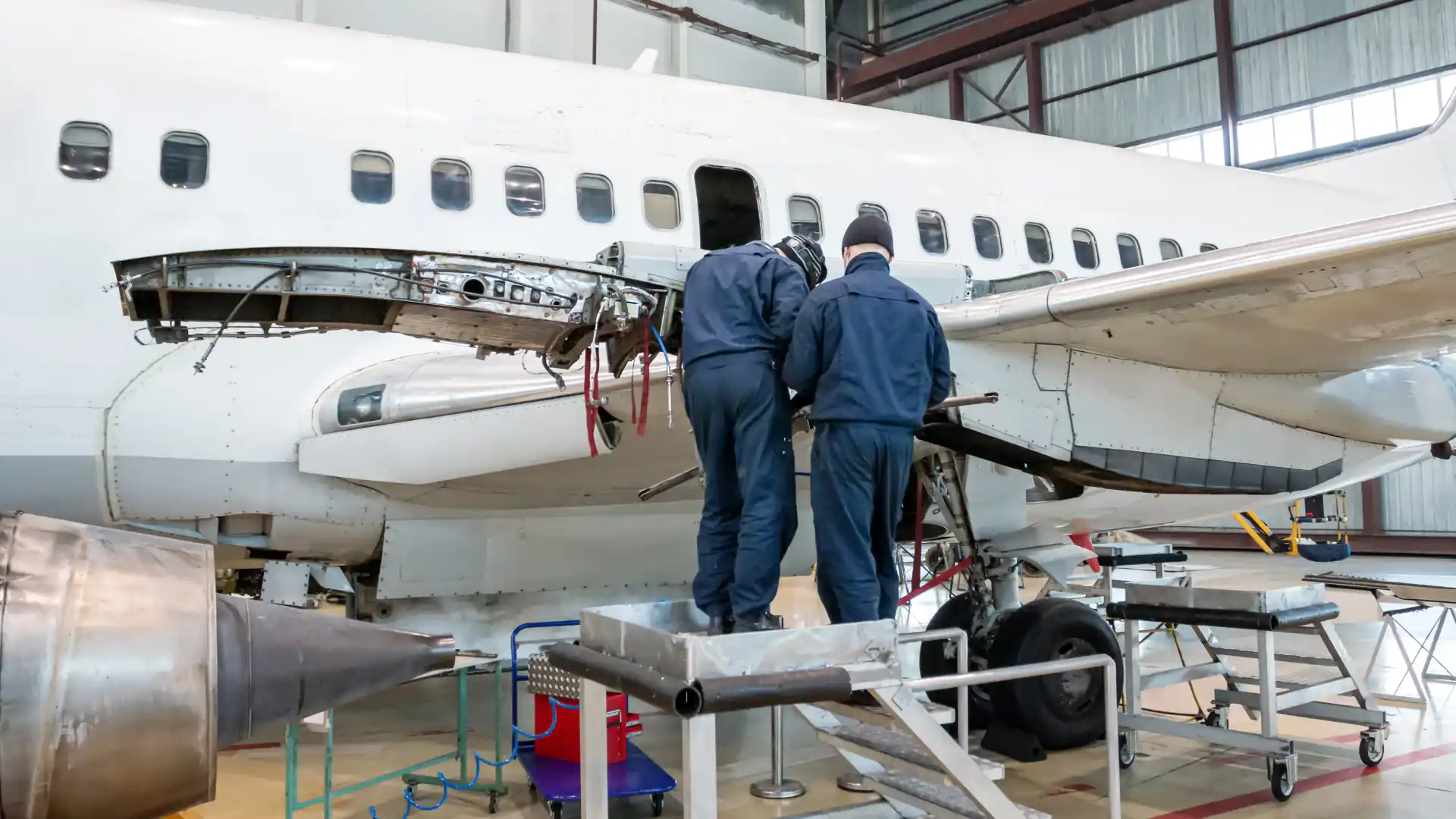
Getting your aircraft grounded is a pilot's worst nightmare. So are hefty fines or losing your insurance. Yet, these are real risks if you miss an inspection or fly under the wrong operation type. This is why a clear understanding of part 91 aviation is non-negotiable. While these rules offer incredible freedom, they also come with serious responsibilities. Knowing the ins and outs of FAA Part 91 isn't just about compliance; it's about protecting your career and your passion for flying. Let's make sure your part 91 operations are always safe and legal.
Part 91 aviation gives you more flexibility than airline or charter rules. But that freedom also means you need to understand the limits. One small mistake, like flying passengers for money without the right certification, can lead to serious trouble.
So what does Part 91 actually cover? How is it different from Parts 121 and 135, which apply to airlines and charter companies? This article will explain those differences so you can stay safe and legal.
You'll also learn how SOMA Software helps you track inspections, manage maintenance, and stay compliant—no matter how you fly.
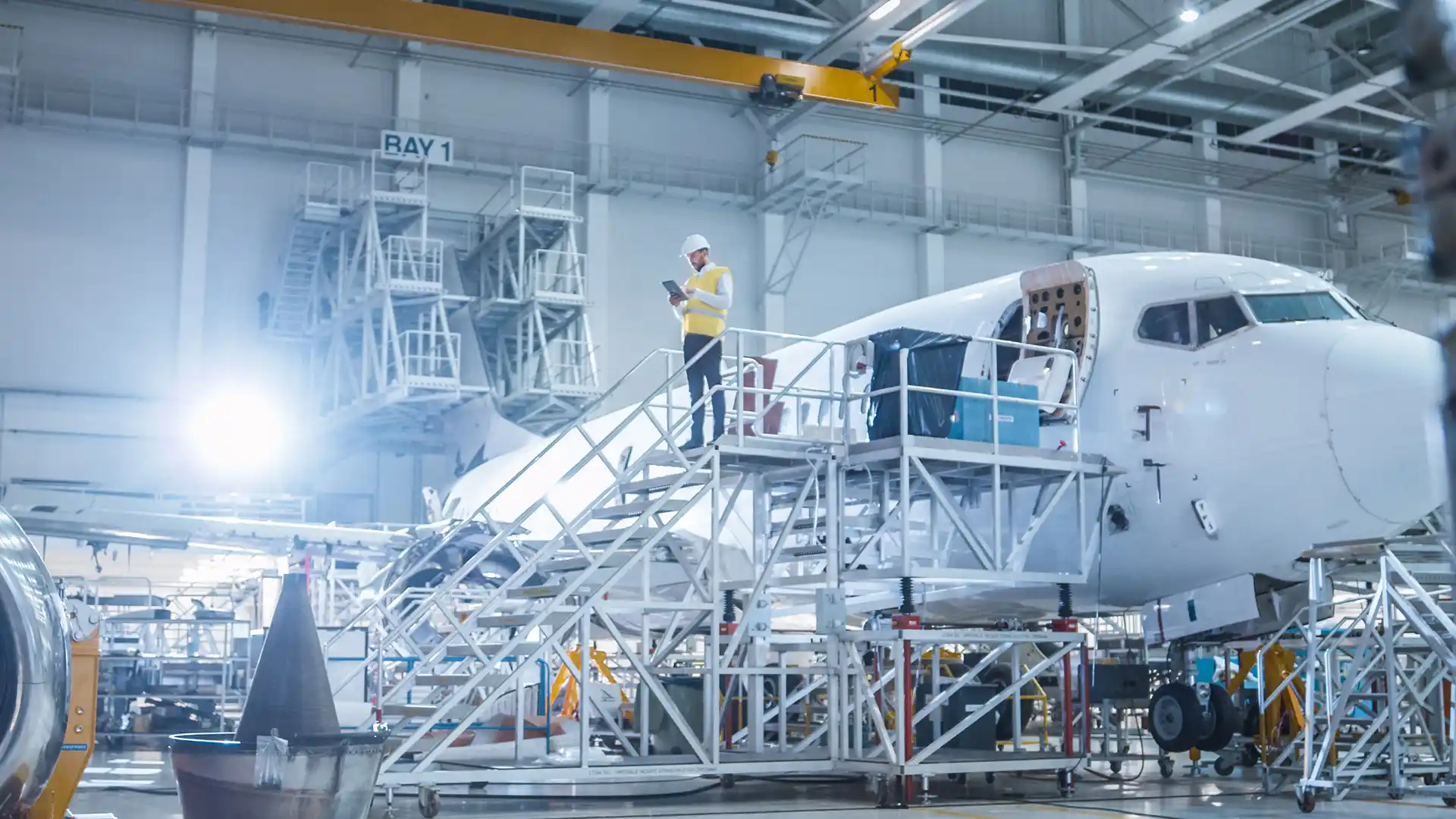
Part 91 is a set of FAA rules that covers how private and non-commercial flights must be operated in the United States. It's part of Title 14 of the Code of Federal Regulations (CFR), which includes all the rules for flying, maintenance, and aircraft safety. These rules apply to things like personal flights, business flights that don't involve paying passengers, flight training, and even flying for fun.
Part 91 sets the basic safety and maintenance rules for most aircraft in the U.S.—from small trainers to large corporate jets. It's the most flexible of the FAA's rules because it's made for operators who aren't flying for hire. It also allows some things that commercial operators can't do, like carrying small amounts of dangerous goods for personal use.
Flights under Part 91 include:
Aircraft flying under Part 91 must still follow important safety rules. They need to have annual inspections and be kept in good shape, following the manufacturer's instructions. But unlike airlines or charter companies, they don't need special FAA-approved maintenance programs.
Part 91 is the foundation for all U.S. flight rules. Even if a pilot later flies under stricter rules (like Part 135 or 121), they must still understand and follow Part 91. Whether you're flying for fun or training for a job, these rules apply to everyone.
Part 91 is the foundation of aviation regulations in the United States, outlining the general operating and flight rules for most civil aircraft. Think of it as the essential rulebook for any flight that isn't carrying passengers or cargo for hire. It’s found in Title 14 of the Code of Federal Regulations and applies to a wide range of aircraft, from single-engine trainers to sophisticated corporate jets. Because it’s designed for private use, Part 91 offers the most operational flexibility. It sets the baseline for safety, air traffic rules, and maintenance, but without the stricter oversight required for commercial airlines (Part 121) or charter services (Part 135).
You’ll find Part 91 operations in many different corners of the aviation world. The most common example is personal or recreational flying, where an owner uses their aircraft for private trips. Corporate aviation also frequently operates under Part 91, flying executives and employees for business purposes. Other examples include flight training, where student pilots learn the ropes, and specialized activities like aerial photography or survey flights, as long as they are not conducted for compensation. In each of these cases, the flight is not being offered to the general public, which is the key distinction that keeps it under the more flexible Part 91 framework.
The flexibility of Part 91 comes with a significant trade-off: the aircraft owner holds direct responsibility for safety and compliance. Unlike commercial operations with large oversight departments, a Part 91 owner is personally accountable for ensuring the aircraft is airworthy and operated safely. This includes tracking and completing all required maintenance, such as annual inspections, and adhering to the manufacturer's service guidelines. This is where having a robust system for aircraft maintenance management becomes crucial. A centralized platform helps you track every task and document, ensuring nothing falls through the cracks and your aircraft remains fully compliant and ready to fly.
Part 91 sets the basic rules for who can fly an aircraft under general aviation. These rules focus on what kind of license the pilot has, their health, and how recently they have flown.
To fly under Part 91, a pilot must have at least a private pilot certificate that matches the type of aircraft they want to fly. Some planes also need extra training, like for flying in clouds (IFR), using complex systems, or flying faster planes.
Pilots also need a valid medical certificate. The type depends on the pilot's age and what kind of flying they do. If the medical certificate has expired, they can't fly.
To carry passengers:
Every pilot also needs a flight review every 24 months with a flight instructor. This keeps their skills sharp and helps them stay up to date with FAA rules.
Even though Part 91 rules are more flexible than airline rules, they still require pilots to stay trained, healthy, and legal.
Under Part 91, the Pilot in Command (PIC) holds the ultimate responsibility and final say for the aircraft's operation. This means you are in charge from the moment the flight begins until it ends. The FAA gives the PIC the authority to deviate from any rule, including air traffic control instructions, if an in-flight emergency requires it to ensure safety. This level of authority is a cornerstone of Part 91, placing immense trust in the pilot's judgment. Because of this, the PIC is not just a flyer but the final decision-maker, responsible for the aircraft, its occupants, and its safe conduct throughout the entire flight.
With great authority comes the duty of preparation. Before any Part 91 flight, the PIC must become familiar with all available information concerning that flight. This isn't just a suggestion; it's a requirement. Your pre-flight checklist should include reviewing weather reports and forecasts, calculating fuel requirements, checking runway lengths at both departure and arrival airports, and assessing aircraft performance data for the expected conditions. Thoroughly planning your flight operations ensures you are prepared for any scenario and can make informed decisions, which is critical when you are the final authority in the cockpit.
One of the most significant distinctions for Part 91 operators is the exemption from mandatory drug and alcohol testing programs. Unlike commercial operations under Part 121 (airlines) and Part 135 (charters), the FAA does not require Part 91 operators to implement a random testing program for their pilots. However, this doesn't mean pilots are free to fly under the influence. FAR 91.17 strictly prohibits operating an aircraft while intoxicated. Furthermore, many corporate flight departments or insurance providers may still require testing as a matter of company policy to ensure the highest safety standards are met across all operations.

Understanding how Part 91 compares to Parts 121 and 135 is important for staying legal and safe. These FAA rules apply to different types of flying. Knowing which one fits your operation can help you avoid mistakes, fines, or grounded aircraft.
Part 121 governs scheduled air carriers like major airlines, which handle over 20 million people during the week of Thanksgiving.
Here's how it's different from Part 91:
Part 91 doesn't need dispatchers or advanced systems. It has fewer checks and more freedom—but also more personal responsibility for the pilot and operator.
When it comes to the planes themselves, Part 91 offers a lot of freedom. It covers a huge range of aircraft, from small, single-engine trainers to large corporate jets. Unlike airlines operating under Part 121, Part 91 doesn't usually require complex systems like flight data recorders or specific cockpit configurations unless the aircraft's type certificate calls for it. This flexibility allows operators to fly a wide variety of aircraft without the heavy equipment mandates seen in commercial aviation.
However, this freedom doesn't mean you can skip out on upkeep. All aircraft under Part 91 must be airworthy. This means completing an annual inspection and following the manufacturer's recommended maintenance schedule. Keeping track of these different requirements for each aircraft can get complicated, which is why having a solid system for aircraft maintenance management is so important. It ensures that every inspection is logged and every task is completed on time, keeping your fleet safe and compliant without the need for a complex, airline-style program.
Part 135 covers charter and on-demand flights, like private jets for hire or air taxis. It's stricter than Part 91 but not as intense as Part 121.
Here are the key differences:
You can't do paid charter flights under Part 91. If you're flying for money, you need to follow Part 135 rules. Not doing so could lead to legal problems.
Part 91 offers a level of operational freedom that you won’t find under the stricter rules for airlines or charter companies. For Part 91 operators, there are no required dispatchers or rigid flight schedules. The pilot-in-command has the final authority and responsibility for the safety of the flight. This flexibility allows for more spontaneous trips and direct routes without the overhead of a commercial operation. However, this freedom comes with a significant trade-off: the operator is solely responsible for ensuring every flight is safe and compliant. Without the structured oversight of a Part 121 or 135 certificate, you need a robust system to manage everything from maintenance schedules to pilot records. This is where having a centralized platform for aircraft maintenance management becomes essential for staying organized and safe.
One of the key advantages of flying under Part 91 is greater access to a wider range of airports. Since these flights aren't bound by the same operational specifications as commercial carriers, they can often use smaller, more convenient airfields that are closer to a final destination. When it comes to weather, Part 91 rules are also more lenient. For example, a Part 91 pilot can legally take off in weather conditions that would ground a Part 135 flight. This doesn't mean it's always the safest choice, but the regulations place the final go/no-go decision on the pilot based on their skill and the aircraft's capabilities. This flexibility also extends to what you can carry, allowing for small amounts of dangerous goods for personal use, which is prohibited on commercial flights.
Under Part 91, runway and takeoff requirements are based on the aircraft's certified performance data found in its flight manual, not on additional regulatory buffers. For instance, Part 135 operators must be able to land within the first 60% of the available runway. Part 91 has no such rule, meaning pilots can legally use shorter runways as long as the aircraft's performance data says it's possible. This opens up more airports but also puts the full burden of performance calculations on the pilot. It’s a perfect example of Part 91’s core theme: more freedom, but more personal responsibility. Ensuring your aircraft can actually meet those performance numbers depends on meticulous upkeep, which is why diligent maintenance tracking is so critical for safe operations.
If you’ve ever flown on an airline, you’re familiar with the TSA checkpoints and ID verification process. For Part 91 flights, these requirements generally don't exist. Since these are private flights, there is no federal mandate to check passenger identification for domestic travel. This creates a much more seamless and private travel experience, similar to getting in a personal car with friends or colleagues. The operator and pilot are assumed to know who is on board. This stands in stark contrast to Part 121 and even many Part 135 operations, where security screening and passenger manifests are standard procedure. The lack of formal ID checks underscores the truly private nature of Part 91 aviation.
Flying under Part 91 can offer significant tax advantages because it is classified as non-commercial. This means operators are typically exempt from the Federal Excise Taxes (FET) that apply to commercial airline and charter tickets. This can result in substantial cost savings over time. However, it's crucial to maintain a clear distinction between private and commercial use. The IRS has strict rules, and if a flight is deemed to be "for hire" in disguise, it can trigger serious tax liabilities and penalties. Keeping detailed and accurate records of each flight's purpose, passengers, and expenses is your best defense in an audit. Using a comprehensive tool to manage your flight operations provides the clear documentation needed to justify your Part 91 status.
Under Part 91, keeping an aircraft airworthy is simpler, but it places more responsibility directly on the owner. All aircraft must pass an annual inspection, but unlike airlines, Part 91 operators don't need a complex, FAA-approved continuous maintenance program. Instead, the owner is responsible for following the manufacturer's recommended maintenance schedule. This approach offers flexibility, but it also demands diligence. Forgetting a key inspection or service interval can ground your aircraft. Using a digital system to manage aircraft maintenance helps ensure every task is logged and nothing gets missed, keeping your fleet compliant and ready to fly.
The equipment required for Part 91 flights is less extensive than for commercial operations. The rules establish a baseline for safety, requiring specific instruments for flight under visual or instrument conditions. For commercial flights under Part 135 or 121, the requirements are much stricter. These aircraft often need advanced safety systems like a Traffic Collision Avoidance System (TCAS), a cockpit voice recorder, and a flight data recorder. The FAA mandates this extra equipment because these flights carry paying passengers and operate on tighter schedules, which introduces a higher level of risk that must be managed with additional technology and oversight.
While Parts 91, 121, and 135 tell you how to fly based on the type of operation, Part 61 is different. It explains how pilots get their licenses and stay qualified to fly. It does not cover how flights are run—it just focuses on the pilot.
Part 61 sets the rules for becoming a pilot and keeping your license current. These rules apply to all pilots—whether you fly for fun or as a job.
Part 61 covers:
This is important to understand because just having a license under Part 61 does not mean you're allowed to fly under Parts 91, 121, or 135 without following those rules too.
Part 61 tells you who is qualified to fly. The other parts (91, 121, and 135) tell you how and when you can fly. Knowing the difference helps you stay legal and avoid costly mistakes.
Beyond the main operating parts, there's also Part 380. This regulation covers public charter operations, which offer a unique middle ground in air travel. This model allows a company to sell individual tickets for a charter flight without operating the aircraft itself. Instead, they contract a certified airline—usually a Part 121 or 135 carrier—to perform the actual flight. The Department of Transportation (DOT) governs this structure and requires operators to submit a detailed plan, or prospectus, for approval. Because it blends elements of private and commercial flying, the public charter model has recently faced increased regulatory scrutiny, making it essential for operators to stay informed on any changes.
The FAA has different rules depending on the type of flight you operate. These rules each come with their own safety standards, recordkeeping needs, and pilot responsibilities. Knowing the differences is important so you can follow the right rules and avoid legal trouble.
Each part has its own rules for keeping maintenance records. Part 91 gives more freedom, but you still must track required inspections.
If your records aren't complete, your aircraft can be grounded—even if it's in perfect shape. That's why many operators use software like SOMA Software to manage their records, schedule inspections, and keep everything organized in one place.
Under Part 91, the pilot in command is in full control of the flight. They decide if the plane is safe to fly, check the weather, and choose whether or not to take off.
In commercial operations like Part 135 or 121, the responsibility is shared. Other people—like dispatchers or control centers—must approve flights and monitor them in progress.
Here's how they compare:
Commercial rules are stricter because they carry paying passengers. More people are involved to make sure flights stay safe.
Flying under the wrong FAA rules can cause serious problems. Some operators make the mistake of using Part 91 when they should be following Part 135 or 121. This might happen when someone is flying passengers for hire but doesn't have the right certification.
If you fly charter or airline-style operations under the wrong part, the FAA can take action against you. They may issue fines, suspend your certificate, or ground your aircraft.
Other problems include:
Using the right tools helps you stay compliant. Software like SOMA Software makes it easier to track maintenance, follow inspection rules, and stay in line with the correct FAA part for your operation. Whether you fly under Part 91 now or plan to move into commercial flights later, having a strong tracking system will help you grow the right way—safely and legally.
Understanding FAA rules is a vital part of flying safely and legally. Whether you fly under Part 91, 135, or 121, you need the right systems to stay on track with inspections, records, and maintenance.
SOMA makes this easier by putting everything in one place. You can track maintenance, check inspection dates, and keep up with FAA rules—all from one simple system. This helps you avoid mistakes and keep your aircraft flying.
Instead of worrying about paperwork or missed deadlines, you can focus on flying. With real-time updates and clear records, you'll always know your aircraft are ready and compliant.
Take control of your aviation operations with SOMA Software. Manage work orders, track maintenance due dates, generate instant reports, and oversee inventory easily, all in one place. Get a quote today!
Can I fly my friends and have them chip in for fuel under Part 91? This is a common question, and the FAA has very specific rules about it. Generally, accepting money for a flight, even just to cover costs like fuel, can be seen as operating "for compensation or hire." This would push your flight into the territory of Part 135, which has much stricter requirements. While there are some narrow exceptions for sharing expenses among pilots, it's a gray area that can lead to serious trouble. The safest approach is to treat any Part 91 flight as a private operation where you, the owner or operator, cover the costs.
If Part 91 rules are more flexible, does that mean maintenance is less important? Not at all. In fact, you could argue it makes your personal diligence even more critical. While you don't need a complex, airline-style maintenance program, you are still fully responsible for ensuring the aircraft is airworthy. This includes completing the required annual inspection and following all manufacturer service recommendations. The flexibility of Part 91 means the FAA trusts you to manage this yourself, so having a reliable system to track every task and deadline is essential for both safety and legal compliance.
My company owns a jet for executive travel. Does that fall under Part 91? Yes, most corporate flight departments operate under Part 91. As long as the company is flying its own employees for business purposes and not offering flights to the public for hire, it fits the Part 91 model. This structure provides the flexibility corporate travel demands. However, the company, as the aircraft operator, still holds all the responsibility for maintenance, pilot qualifications, and overall operational safety, just like a private individual owner would.
What is the main difference between the pilot's role in Part 91 versus a commercial flight? The biggest difference is in operational control. Under Part 91, the Pilot in Command (PIC) has the final and ultimate authority for the entire flight. They make the go or no-go decision based on their own assessment of the aircraft, weather, and other factors. In a commercial operation under Part 121 or 135, that responsibility is shared. A flight dispatcher or the company's operations center must also approve the flight, creating an extra layer of oversight that doesn't exist in the private world of Part 91.
Why would a Part 91 operator need software if the documentation rules are simpler than for an airline? Simpler rules don't mean zero risk. You are still legally required to prove your aircraft is airworthy, which means tracking annual inspections, service bulletins, and component life limits. Forgetting a single deadline can ground your aircraft or create a major safety issue. Software helps by centralizing all that information, sending you reminders for upcoming maintenance, and creating a clean, auditable record. It replaces scattered spreadsheets and paper logs with a professional system that protects your investment and ensures you're always ready to fly.