Growing airlines often find that legacy maintenance systems create more paperwork than they solve. High renewal fees and complex setups force many teams to find a better solution.
An ifs maintenix alternative like SOMA Software helps growing airlines and MROs avoid high costs, complex setups, and legacy bloat. By replacing disconnected systems with a single platform in 4 to 8 weeks. Operators can easily streamline CAMO compliance, track parts inventory, and optimize aircraft maintenance records to ensure maximum fleet uptime.
Picking the right tool for your team starts with a clear look at how your current systems help or hurt your daily work. You can start this journey by understanding the role of IFS Maintenix in aviation maintenance.
Are you looking to replace your legacy aviation maintenance system with a faster, engineer-led solution? Schedule a free custom demo with SOMA Software today to see our platform in action.
IFS Maintenix is a well-known name in the world of aircraft care. Many large airlines use this tool to manage their big fleets. It acts as a full system to track parts and plan work. For years, it has helped major global carriers manage massive fleets.
Large airlines need tools that can handle a lot of data. Maintenix gives this through a deep set of features. It helps teams track every part of a plane from the day it is bought to the day it is retired. This scale is vital for firms with hundreds of aircraft. It makes sure they meet the high bars set for safety and service.
These enterprise-scale tools are designed for organizations with hundreds of aircraft. They allow teams to track components from acquisition to retirement. According to a study on aviation safety management, growing commercial air transport translates to more passenger aircraft queuing up for major maintenance, modifications, and freighter conversions, which heavily stresses legacy systems. This makes software selection crucial for operational continuity and safety.

While powerful, IFS Maintenix can be extremely complex and resource-intensive to implement. The installation process often takes one to three years and requires significant IT infrastructure and capital. For mid-sized airlines, charter operators, or regional MROs, these hurdles create massive bottlenecks.
When a system is too complex, it can lead to data entry errors or slow support response times. If a plane is grounded, waiting days for an IT help desk ticket is not an option. Modern operations require a more agile aviation maintenance software that fits daily workflows.
Fleet growth shifts organizational requirements. A platform that works for a major tier-1 carrier can crush a growing regional airline with unnecessary administrative overhead and high license costs. Many directors seek new tools when contracts end to escape these restrictive terms and hidden fees.
Rather than managing disconnected spreadsheets alongside legacy databases, operators are evaluating unified fleet maintenance software. The ideal partner should offer deep aeronautical expertise to help teams transition safely, keep airframes flight-ready, and stay compliant with strict aviation rules.
Growing aviation teams often reach a point where old tools become an operational burden. Large enterprise systems offer hundreds of complex screens, but daily users only need a handful of intuitive functions. This mismatch leads to frustration, slow data entry, and compliance risks.
Legacy platforms often come with rigid interfaces that force mechanics and inspectors to spend hours on data entry. This overhead wastes time that should be spent on the hangar floor.
When a maintenance management program is too difficult to navigate, the risk of human error increases. The FAA notes that the primary goal of any safety oversight program is to find and resolve safety issues early. Growing teams need an ifs maintenix alternative to simplify daily tasks, keep aircraft maintenance records accurate, and reduce regulatory risks.
The aviation sector operates at a rapid pace. Fleet operators must adjust schedules, manage supply chain delays, and update flight logs instantly. Stiff legacy software slows down companies that need to remain agile and cost-effective.
For regional airlines and cargo carriers, staying ahead means maximizing aircraft utilization. Transitioning to modern systems helps teams automate parts tracking and plan inspections proactively. By replacing legacy systems with flexible tools, operators can focus on safety and fleet health.
Traditional enterprise software implementations are notorious for lasting months or even years. For a growing business, this delay represents an unacceptable risk to growth plans, cash flow, and operational efficiency.
Modern platforms drastically reduce this time-to-value. SOMA Software can implement its platform in four to eight weeks, allowing airlines to migrate records, clean their inventory data, and train staff without disrupting operations. This rapid deployment gets teams off spreadsheets and into a unified, secure system quickly.
Tired of slow setups and high renewal fees? Schedule a free 15-minute consultation with SOMA Software's engineering team to map out a seamless transition plan for your fleet.
The competitive landscape for aviation maintenance software in 2026 features several options. Finding the right fit requires looking past marketing claims to evaluate setup speed, ease of use, and the level of ongoing support.
While systems like AMOS, Swiss-AS, and Trax are highly capable, they are designed for large tier-1 carriers. Regional airlines, charter operators, and local MROs often find these systems overly heavy.
Many teams are actively evaluating a modern aviation software alternative or a Veryon tracking alternative to find a better balance of power and agility. The goal is to choose a scalable platform that matches your current fleet size while supporting future expansion without a massive IT burden.
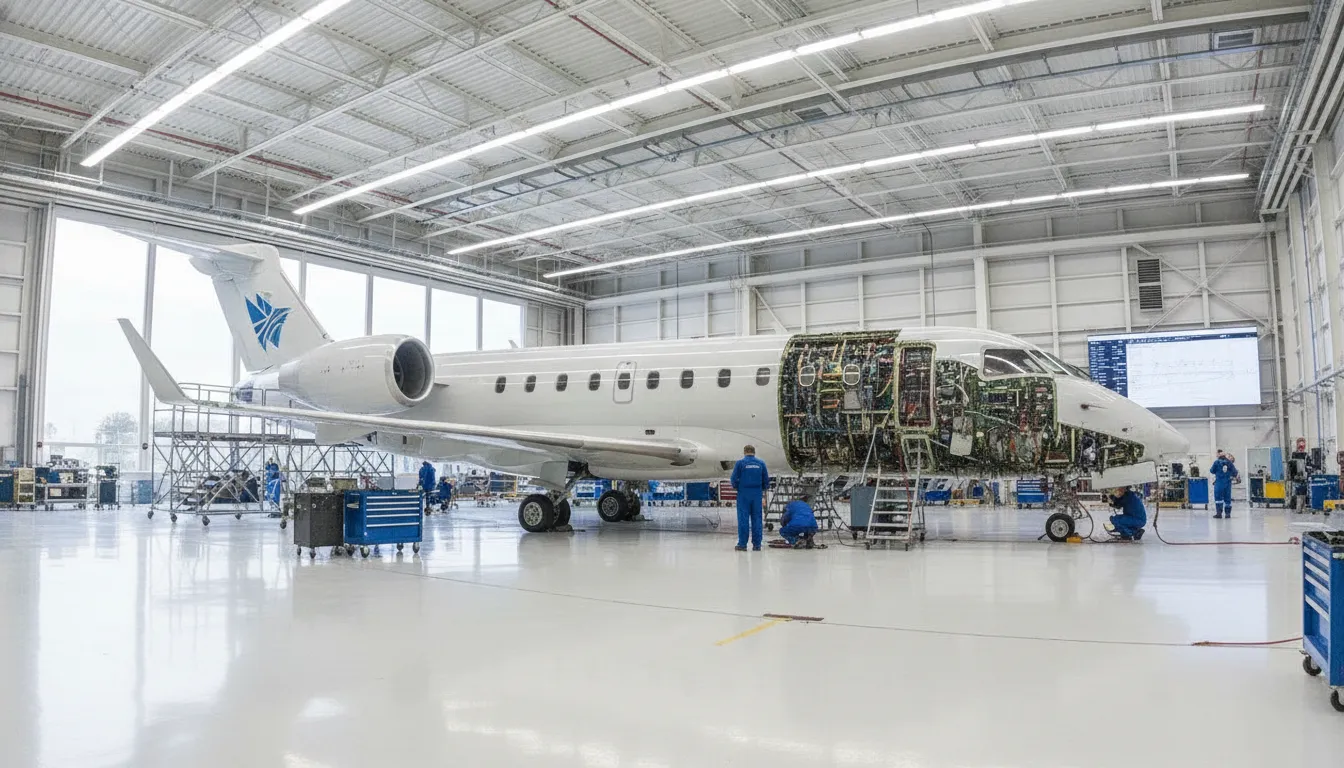
When comparing alternatives, prioritize implementation speed and support quality. Look for a vendor that provides hands-on data cleaning and migration assistance.
Furthermore, check the credentials of the support staff. While many vendors route technical issues to generic IT help desks, SOMA Software provides 24/7 support from real aeronautical engineers. This expert partnership is vital for maintaining a strong safety culture where errors can be identified and corrected immediately.
Comparing IFS Maintenix and SOMA Software reveals two different operational philosophies. One is built for massive global carriers with dedicated IT departments, while the other is built for agile, growing operators seeking an operational partner.
IFS Maintenix implementations typically require one to three years of planning, data mapping, and heavy IT integration. In contrast, SOMA Software's streamlined methodology allows fleets to go live in 4 to 8 weeks.
This speed prevents the long operational gaps and high consulting fees associated with legacy software. A faster transition means teams can begin tracking parts inventory, digital flight logs, and maintenance records almost immediately.
Legacy software support usually operates on a traditional ticket system. When a critical issue arises on the hangar floor, waiting days for a response from a non-technical support rep can ground planes and cost thousands of dollars.
SOMA Software changes this dynamic by staffing support with aeronautical engineers. These experts act as operational partners, understanding hangar daily realities and resolving technical issues quickly to keep fleets flying safely.
Many aviation operators use separate, disconnected tools for CAMO, MRO, inventory, and flight logs. This fragmented approach leads to duplicate entries and human error.
SOMA Software integrates these workflows into a single platform. When replacing legacy systems, choosing a unified unified aircraft maintenance records software ensures that inventory levels, airworthiness directives, and flight hours sync automatically. This integration saves hours of administrative labor and improves data accuracy.
| Feature. | IFS Maintenix. | SOMA Software. |
|---|---|---|
| Setup Time. | 1 to 3 years. | 4 to 8 weeks. |
| Support Team. | IT help desk staff. | Aeronautical engineers. |
| Support Model. | Ticket-based (slow). | Operational partnership (24/7). |
| Integration. | Often fragmented / costly. | All-in-one platform. |
| Target Fleet. | Tier-1 global airlines. | Regional airlines and MROs. |
Transitioning away from a legacy maintenance system like IFS Maintenix can seem daunting. However, a structured approach allows operators to migrate records and go live with zero downtime.
The first step is identifying operational bottlenecks. Map your existing workflows to see where mechanics and CAMO staff spend the most time on manual data entry.
For example, Aruba Airlines successfully optimized its regional operations by transitioning to SOMA Software, eliminating manual paperwork and gaining real-time fleet visibility. Engaging your team early ensures that the chosen platform solves real-world pain points.
A step-by-step transition plan minimizes disruption and ensures data integrity during the migration process.
Aviation maintenance is highly regulated. Any software transition must ensure full compliance with aviation authorities. SOMA Software's platform is designed to automate compliance checks, ensuring airworthiness directives and service bulletins are tracked in real-time. This helps operators maintain a strong safety culture and pass inspections easily.
For growing airlines, charter operators, and MROs in 2026, SOMA Software represents the premier alternative to IFS Maintenix. The platform combines enterprise-grade features with an intuitive interface and rapid, risk-free deployment.
SOMA Software is built for aviation teams who need to move fast. Instead of years of complex IT consulting, SOMA delivers a fully functional fleet management system in weeks.
By partnering with SOMA, operators gain a collaborative partner rather than just a software vendor. Our team of aeronautical engineers ensures that your data migration is clean and your daily operations are supported round-the-clock.
Aviation operators in Latin America and the Caribbean face unique regional challenges and regulatory environments. SOMA Software provides deep local expertise, offering 24/7 bilingual support in English and Spanish.
This regional focus ensures that your fleet remains fully compliant with both local civil aviation authorities and international standards. Having a support partner who understands your specific operating environment prevents costly regulatory delays and keeps your planes flying.
SOMA Software brings maintenance tracking, parts inventory, CAMO compliance, and flight operations into one place. This prevents data silos and lowers the risk of human error.
Using a single aviation maintenance software solution allows flight managers to view fleet status at a glance. Real-time dashboards help teams schedule checks before components reach their limits, optimizing fleet uptime and reducing operational costs.
Primary enterprise competitors include Ramco Systems, Swiss-AS (AMOS), and Trax. However, for growing regional airlines, charter operators, and MROs, SOMA Software is the leading alternative, offering comparable power with significantly faster setup times and engineer-led support.
Operators typically seek alternatives due to high subscription costs, complex implementations, and generic IT help desks. Growing teams need a platform that is easier to navigate, faster to deploy, and supported by aviation professionals who understand hangar operations.
SOMA Software is the top alternative for growing fleets in 2026. It integrates maintenance, operations, and logistics. It is implemented in weeks. Our team of elite aeronautical engineers acts as true operational partners.
While legacy enterprise systems can take one to three years to set up. Modern platforms like SOMA Software are deployed in four to eight weeks, providing rapid time-to-value without disrupting daily flight operations.
Using slow, legacy software puts your daily flight schedules at risk and costs your team excessive time and money. You can protect your airline from operational disruptions by upgrading to a modern fleet platform before your current contract renewal.
Don't let legacy software hold your fleet back. Contact SOMA Software today to request your personalized quote or schedule a custom demo. Partner with our team of aeronautical engineers to streamline your maintenance and keep your planes flying safely.