
An inspection finding is only the beginning of a maintenance decision. The real operational challenge is carrying that finding through task definition, planning, technician execution, documentation, and final release without losing context between teams or systems.
MRO work order management digitizes this chain by connecting inspection findings to task cards, technician assignments, status updates, required materials, and authenticated sign-off in one traceable workflow. That shared record helps maintenance leaders coordinate work more clearly while giving technicians the information they need at the point of execution.
For airlines, MRO facilities, and CAMO teams, the value is not simply replacing paper with screens. It is creating a consistent process that supports continuing airworthiness, audit readiness, and aircraft availability. The lifecycle becomes easier to manage when each stage follows from the last and everyone works from the same operational record.
The process starts with how a finding is captured and qualified, then moves through the controls that turn it into executable maintenance work.
Request a free demo to see how SOMA connects every stage of the work order lifecycle on one platform, and try it for your MRO team today.
An effective maintenance work order turns an inspection finding into a controlled, traceable path to return an aircraft or component to service. Each stage should preserve the technical context, assigned responsibility, parts information, labor records, and approval history needed for safe execution and reliable reporting.
The lifecycle starts when an inspection, pilot report, scheduled maintenance event, or troubleshooting activity identifies a discrepancy. The finding should be recorded with the aircraft or component identity, location, technical description, priority, and applicable maintenance reference. A planner or engineer then evaluates the finding and creates the work order, linking the appropriate task card, job instruction, inspection requirement, or engineering disposition.
This initial structure matters because it prevents the work from becoming an isolated note in a spreadsheet or paper folder. It gives maintenance control, CAMO, and production planning a shared record that can be reviewed before work begins.
Once the task is defined, the work order is assigned to a qualified technician, crew, or maintenance team. Planning can account for skill requirements, availability, shift coverage, aircraft access, tooling, and required parts. If an additional discrepancy is found during the job. It can be added to the same controlled workflow or routed for the correct engineering review instead of being handled informally.
In MRO work order management, this connected step is where an integrated platform creates operational value. The assignment, task card, inventory request, and status update remain connected, so teams do not need to re-key the same information across separate systems.
Technicians execute the approved instructions and record labor, measurements, parts used, inspections, deferrals, and any new findings as the work progresses. Supervisors can monitor status and resolve blockers while maintenance control retains visibility into open work, overdue tasks, and aircraft availability. The record should make clear what was performed, by whom, under which authorization, and with what result.
Close-out is more than changing a status to complete. Required inspections, independent checks, technical entries, and sign-offs must be present before an authorized person determines whether the aircraft or component can be released to service. FAA AC 120-79A explains that a Continuing Analysis and Surveillance System, or CASS, is required for commercial operators to monitor, analyze, and optimize maintenance program effectiveness. Complete work order data supports that oversight by making recurring findings, delays, and process performance easier to review.
SOMA connects these stages in one aviation maintenance platform, with aeronautical engineers serving as operational partners rather than simply software support. The result is a clearer chain from finding to airworthiness release, with fewer handoffs and a more dependable maintenance record.
A work order is only as reliable as the information behind it. When maintenance findings, task requirements, parts data, labor assignments, and sign-off records are scattered across paper forms. Email threads, and separate spreadsheets, teams spend valuable time reconciling versions instead of maintaining aircraft. A connected data model gives planners, technicians, quality teams, and managers the same operational picture from the moment a finding is created through final close-out.
Paper and disconnected Excel workflows create predictable gaps. A planner may work from a spreadsheet that does not reflect the latest inspection finding. A technician may receive a printed task card after a priority or parts requirement has changed. A supervisor may have to call several people to confirm whether a job is awaiting material, in progress, or ready for inspection. These are not merely administrative inconveniences. They make it harder to control priorities, identify bottlenecks, and prove what work was performed.
With a single source of truth, each work order can retain its relationship to the aircraft, maintenance program, discrepancy, task card, assigned personnel, required materials, and completion evidence. Updates are recorded against the same digital record rather than copied between systems. That improves handoffs and gives maintenance leadership a current view of open work, aging tasks, blocked jobs, and upcoming workload. It also creates a stronger foundation for aircraft maintenance tracking, because the status of a work order remains connected to the asset and its maintenance history.
Reliable data also supports better control at close-out. The FAA's AC 120-78 recognizes electronic signatures and electronic recordkeeping for aircraft maintenance records, maintenance task cards, and airworthiness release when records are properly authenticated. FAA AC 120-78 provides the relevant guidance. A digital workflow should therefore do more than replace paper with a screen. It should control user access, preserve an auditable history, and associate each approval with the correct work package and person.
This is where integrated MRO software solutions become practical. The goal is not to digitize every isolated form. It is to connect the data that maintenance teams already need. Decisions rest on current records, exceptions become visible earlier, and every completed work order can be traced back to the work that authorized it.
Effective work order control connects the maintenance finding to the people, documents, parts, and approvals needed to return an aircraft or component to service. The strongest systems give planners and technicians one operational record instead of forcing them to reconcile paper forms, spreadsheets, email, and separate inventory screens.
Technician assignment should reflect qualifications, availability, shift coverage, and the work required by the task card. Once assigned, the technician can access the relevant instructions, record findings, attach supporting evidence, and update status from the work area. Planners then see which tasks are ready, in progress, waiting for inspection, or blocked by a missing part.
Task card integration is particularly important because it keeps the approved maintenance instruction connected to the resulting work record. A sign-off workflow should identify who performed the work, who inspected it when required, and which steps remain open. It should also make corrections traceable rather than allowing an unclear change to overwrite the original record.
| Capability | Paper or Excel-based work orders | Integrated MRO software |
|---|---|---|
| Assignment | Planners distribute forms, messages, or spreadsheet updates manually. | Supervisors assign work against task details, personnel, and current workload. |
| Status visibility | Progress depends on calls, walkarounds, and the latest saved file. | Teams can view current status, blockers, ownership, and outstanding steps in one record. |
| Sign-off and audit trail | Signatures and revisions may be separated from the underlying work history. | Role-based sign-offs, timestamps, revisions, and supporting records remain linked to the work order. |
| Parts and inventory | Parts requests and usage are tracked in a separate process, increasing reconciliation work. | Required, issued, consumed, and unavailable parts can be associated with the task and its status. |

Close-out must preserve the evidence that supports the maintenance decision. FAA Advisory Circular AC 43-9D addresses maintenance records and the 8130-3 airworthiness approval and return-to-service tag. A digital workflow should therefore make required records, approvals, and release documentation easy to locate and review. Rather than treating sign-off as the final checkbox in an isolated spreadsheet.
Compliance depends on more than storing completed task cards. Maintenance directors need to show what work was required, who performed it, which data supported the decision, and how the aircraft was returned to service. Digitized MRO work order management creates a controlled record across that lifecycle. So audit preparation is based on traceable evidence rather than scattered paper files, spreadsheets, and inbox messages.
For commercial operators, a Continuing Analysis and Surveillance System (CASS) is required to monitor, analyze, and optimize maintenance program effectiveness. FAA Advisory Circular AC 120-79A provides the relevant guidance: FAA AC 120-79A. A digital work order can connect the maintenance requirement to the task card, assigned technician, inspection results, corrective action, parts usage, approvals, and final sign-off. That connection gives the quality team a clearer basis for reviewing recurring findings and maintenance program performance.
Airworthiness directives require the same level of control. FAA AC 39-9 states that AD management processes should be tailored to an operator's size, capabilities, resources, and equipment. A structured system helps maintenance leaders assign applicable actions, record accomplishment details, track due dates and retain supporting evidence without treating every operator as if it had the same workflow. The system should support the organization's approved procedures, not replace engineering judgment or regulatory accountability.
Approved maintenance organizations also need workflows aligned with their applicable requirements. EASA Part-145 defines continuing-airworthiness and maintenance requirements for approved maintenance organizations. See the EASA Part-145 guidance when mapping digital work order controls to an organization's procedures and approvals.
Audit trails are most useful when they are complete and readable. Each change should preserve the user, timestamp, reason, and affected record, while permissions prevent unauthorized edits. The close-out stage should also make the airworthiness release visible, with required inspections and authorized approvals completed before release. This is where digital records strengthen accountability: a maintenance director can identify the current status, review the history, and demonstrate that an open discrepancy was not silently bypassed.
When work order records connect with continuing airworthiness management, compliance evidence becomes part of daily operations instead of a separate audit exercise. The result is a more consistent path from maintenance instruction to documented return-to-service decision.
Effective execution starts when the work order becomes a clear, actionable job rather than another item in a planner's queue. A technician should be able to open the assigned task on a mobile device. Review the applicable task card and aircraft details, record findings, and submit progress without returning to a desk.
Production planners need more than a list of open work orders. They need to see which tasks are assigned, which are in progress, what is waiting for parts or engineering input, and what is ready for inspection or sign-off. That visibility makes constraints visible early. A supervisor can reassign work, coordinate access to an aircraft, or escalate a materials issue before it extends a maintenance event.
On the floor, status updates should be simple enough to complete as work happens. Technicians can confirm task completion, attach relevant records, document discrepancies, and route the work for review through a defined workflow. Clear digital sign-off supports accountability while preserving the information needed for maintenance records and airworthiness decisions. FAA AC 120-79A describes a Continuing Analysis and Surveillance System as a way for commercial operators to monitor, analyze, and optimize maintenance-program effectiveness. Reliable work-order data gives that oversight process a stronger operational foundation: planners and quality teams can evaluate what actually happened, not reconstruct events from disconnected spreadsheets.
The connection must extend beyond the hangar. When labor, task status, findings, materials, and completion records flow into planning, inventory, engineering and continuing-airworthiness processes, the back office works from the same current information as the technicians. This reduces status chasing and helps maintenance directors understand whether an aircraft is progressing toward release or facing a specific blocker.
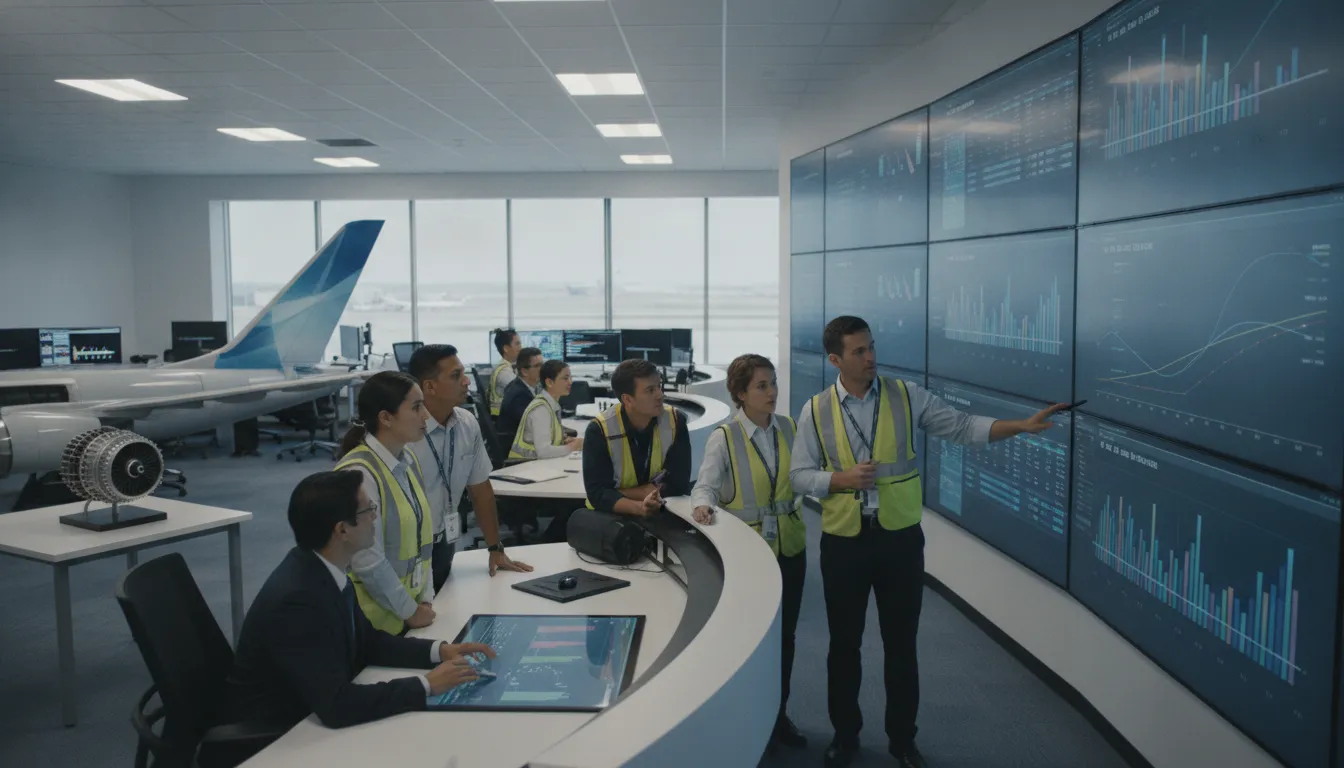
Moving from paper work orders to a digital system is an operational change, not simply a software purchase. The goal is to connect findings, planning, task cards, technician execution, materials, approvals, and close-out in one traceable workflow. A phased implementation helps maintenance teams improve visibility without disrupting daily production.
Modernization works best when the system reflects real maintenance practice and the people implementing it understand the operation. That combination turns digital work orders into a dependable control point for safer, more predictable MRO execution.
Ready to put your work orders on one platform? Get a personalized quote or start your free trial today.
Work order management connects inspection findings, task cards, labor, parts, approvals, and maintenance records in one controlled workflow. That visibility helps maintenance teams prioritize work, reduce handoff errors, track open tasks, and support an accurate close-out before an aircraft or component returns to service.
Start by mapping the current process from finding identification through planning, assignment, execution, inspection, sign-off, and release. Then configure an integrated platform to standardize work order fields, link task cards and inventory, provide technician access, and preserve an auditable record. Roll out the workflow in stages and measure completion time, backlog, rework, and overdue tasks.
Common challenges include paper records, spreadsheet-based tracking, incomplete task information, disconnected inventory data, unclear ownership, delayed status updates, and inconsistent sign-off practices. These gaps make it harder to see the true maintenance backlog and can slow decisions when planners. Technicians, quality teams, and operations work from different versions of the same information.
MRO management is the coordination of maintenance, repair, and overhaul activities for aircraft, components, facilities, people, materials, documentation, and compliance. In a work order workflow, it governs how maintenance demand becomes planned work, how technicians execute it, and how authorized personnel verify and close the record.
MRO refers to the maintenance, repair, and overhaul work performed to keep aircraft or components serviceable. OEM means original equipment manufacturer, the company that designed or produced the aircraft, engine, or component. An OEM may provide approved data, parts, or technical support, while an airline or independent MRO organization performs or manages the maintenance work.
Every stage of the work order lifecycle produces data that should flow to everyone who needs it. From an inspection finding to a signed-off airworthiness release, that data matters. When it is locked in paper files or disconnected spreadsheets, planners chase updates. Technicians lose time, and auditors dig through binders. Digital MRO work order management puts the entire lifecycle on a single, visible platform.
That is where SOMA Software comes in. Our platform is built and supported by aeronautical engineers who act as operational partners, not just software help desk. We help regional airlines, MRO facilities, cargo and charter operators, and CAMO teams replace paper and spreadsheets. You get integrated work order workflows, real-time status visibility, and audit-ready records. Implementation is designed for a fast 4 to 8 week rollout.
Talk to our team about your maintenance operation. Request a personalized quote or try the platform for free. See how your team can run work orders with less friction and more confidence.